
Symptoms of hormonal imbalance usually creep in so subtly that many individuals attribute stress, aging or a hectic schedule to it before ever linking it to their hormones. Hormones however control almost all the activities that the body performs through metabolism and mood, sleep, reproduction and skin condition.
Hormonal imbalance happens to be one of the most common but rarely diagnosed conditions in today’s world as the Endocrine Society has estimated that there are more than a billion individuals who suffer from hormonal imbalance globally. It becomes important for you to know about the signs of such a condition so as to prevent any kind of imbalance before it gets serious.
Daily Care Insights created this guide to enable readers to detect actual, evidence-based symptoms of hormone imbalance that are broken down in an easy to understand and easy to act plainly on the first read.
What Is a Hormonal Imbalance and Why Does It Happen?
There are more than 50 types of hormones in your body which circulate in the blood and carry instructions to organs, tissues and cells. Hormonal changes take place when the amounts of any one hormone are produced in excess or deficit in the body which interferes with the exact chemical balance that the body requires to operate properly.
A slight hormonal change is enough to cause physical and emotional changes. The endocrine system refers to the network of glands that secrete hormones such as thyroid, adrenal glands, pituitary and ovaries or testes that react to stress, nutrition, sleep, age and environmental toxins. The production of hormones is preceded by the malfunction of any of these inputs.
These include chronic stress, sleep deprivation, poor nutrition, thyroid problems, PCOS, menopause, andropause, diabetes and exposure to endocrine disruptors like those found in plastics, pesticides and certain personal care products.
What Are the Most Common Symptoms of Hormonal Imbalance?
Hormonal imbalance seldom presents itself with a single, distinct, certain symptom. Rather, it accumulates as a collection of symptoms affecting sleep, energy, weight, skin and mood. Early identification of these patterns helps in the distinction between those who tackle the source of the problem and those who manage the symptoms indefinitely without solving the problem.
Unexplained Weight Gain or Weight Loss
The symptoms of hormonal imbalance are initially detected through one’s bathroom scale. It is because the thyroid hormone influences one’s metabolic rate; hypothyroidism, which is the slow functioning of the thyroid gland, decreases the metabolic rate and results in weight gain without any explanation, while hyperthyroidism or overactive thyroid increases the metabolic rate resulting in sudden weight loss.
The stress hormone, Cortisol also influences weight changes. A long-term increase in cortisol will send signals to the body to accumulate fat especially in the abdomen, hence the reason why individuals exposed to long-term stress tend to gain weight regardless of dietary changes. This is further worsened by insulin resistance which makes it even harder to manage weight regardless of the amount of calories consumed.
Chronic Fatigue and Low Energy Levels
The energy from hormonal fluctuations is more efficient than almost any other illness. Lack of thyroid hormones decreases the body’s energy production and people feel tired despite complete nights of sleep. The adrenal exhaustion due to the long-term draining of cortisol causes a unique drowsy condition that cannot be cured by coffee or sleep.
Progesterone, estrogen and testosterone all play a role in everyday energy and a decrease in any of them causes fatigue that is qualitatively different from everyday fatigue. Individuals experiencing hormonal fatigue normally refer to it as a bone-deep tiredness that accompanies them throughout the day whether in the morning or evening irrespective of the duration of sleep during the previous night.
Severe Mood Swings, Anxiety and Brain Fog
Hormones are relied on by the brain to balance mood and even the slightest fluctuation of hormones destabilizes the emotional state rapidly. Estrogen affects the production of serotonin and dopamine, two neurotransmitters that have a direct effect on the stability of mood, motivation and resilience to emotions. As estrogen decreases, anxiety, irritability and low mood ensue in patterns that do not seem to be proportional to the real situation that causes these responses.
One of the most frequently reported hormonal symptoms is brain fog, the annoying lack of focus, inability to remember words or think and a problem. Hormonal changes in thyroid hormones, low progesterone levels and cortisol imbalance are all independent causes of cognitive impairment that most individuals attribute to aging or burnout but not to a fixable hormonal disorder.
Persistent Acne and Skin Issues
Skin speaks of hormonal health more visually than any other organ. Hormones in balance symptoms are clear and smooth skin, whereas hormones out of balance have resulted in chronic adult acne, mostly along the jawline, the chin and the neck which are directly associated with androgen hormone activity.
Testosterone, which is an androgen, stimulates the oil glands in the skin to produce sebum. Androgens prevalent in PCOS and during some periods of the menstrual cycle overload the skin with oil that blocks pores and initiates inflammatory acne that cannot be cleared by the use of regular skincare products. Low thyroid hormone is often associated with dry, scaly skin and thinning hair which is more evidence of an internal hormonal imbalance.
Chronic Sleep Problems and Insomnia
Symptoms of hormonal imbalance often rob sleep in such a manner that it further aggravates the hormonal imbalance, leading to a vicious cycle that is hard to break without specific intervention. Progesterone possesses natural tranquilizing effects and low levels of progesterone directly lead to insomnia, restless and unrefreshing sleep patterns.
Cortisol has a natural circadian cycle- high in the morning to stimulate alertness and low at night to permit sleep. Prolonged stress interferes with this pattern and the cortisol remains high in the night when the body most requires it. The sleep hormone is melatonin and it directly influences estrogen and progesterone and any anomaly in the reproductive system appears in the form of an inability to sleep.
What Are the Gender-Specific Hormonal Imbalance Symptoms to Watch For?
Although all symptoms of hormone imbalances are generally common for both sexes, some are found in a particular sex or in one sex only. Knowing these patterns of genders allows one to realize what hormones should be researched and what clinical tests will give the most diagnostic certainty.
Specific Symptoms in Females
The most common hormonal fluctuations in females relate to estrogen, progesterone and testosterone not being in their usual proportions. Abnormal, excessive or missing menstrual cycles are the closest indicators that there has been a change in the balance of reproductive hormones that is not within the normal range.
Hot flashes, night sweats and vaginal dryness indicate that the body has reduced its level of estrogen hormone during perimenopause and menopause. The PCOS condition leads to excess levels of androgens causing irregular menstruation, facial hair growth, hair loss from the head and pimples. The American Psychological Association reported that in up to 15% of all new mothers, postpartum hormonal changes lead to mood disorders which is a confirmation of the extent to which the changes in reproductive hormones have a dramatically different impact on female mental health.
Specific Symptoms in Males
The most common hormonal changes in males include decreased testosterone, a condition that becomes more prevalent after 30 years as the rate of testosterone depletion decreases by about 1% per year. Low testosterone leads to decreased libido, menstrual dysfunction, weakening of muscle mass and more fat on the body especially around the chest and stomach.
Low testosterone is accompanied by mood changes such as increased irritability, decreased motivation, and mild depression that closely resemble depressive disorders often resulting in misdiagnosis. High levels of estrogen in men, which are usually because of excess fat in the body or due to environmental estrogens, result in gynecomastia, fatigue and emotional instability that is greatly improved once the hormonal imbalance is adequately treated.
When Should You See a Doctor for Hormonal Fluctuations?
Hormonal fluctuations falling within the normal range will correct themselves; however, chronic symptoms beyond the four to six weeks should be evaluated by a professional. Blood tests to determine levels of important hormones such as thyroid hormones (TSH, T3, T4), cortisol, estrogen, progesterone, testosterone and insulin are the initial step in any hormonal enquiry as recommended by most endocrinologists.
Consult a physician immediately in case of hormonal symptoms associated with unexplained rapid weight loss, deep-feeling depression or anxiety, heartbeat irregularity, vision loss or excessive fatigue that does not allow you to conduct your everyday activities. These combinations imply that they indicate hormonal conditions that need to be diagnosed and treated as soon as possible instead of lifestyle modification.
The methods of treatment also differ considerably, based on what hormone is involved. Alternatives are hormone replacement therapy, thyroid medication, lifestyle changes such as stress reduction and dietary changes, specific nutritional supplementation, and management of underlying conditions such as PCOS or diabetes which contribute to the hormonal imbalance.
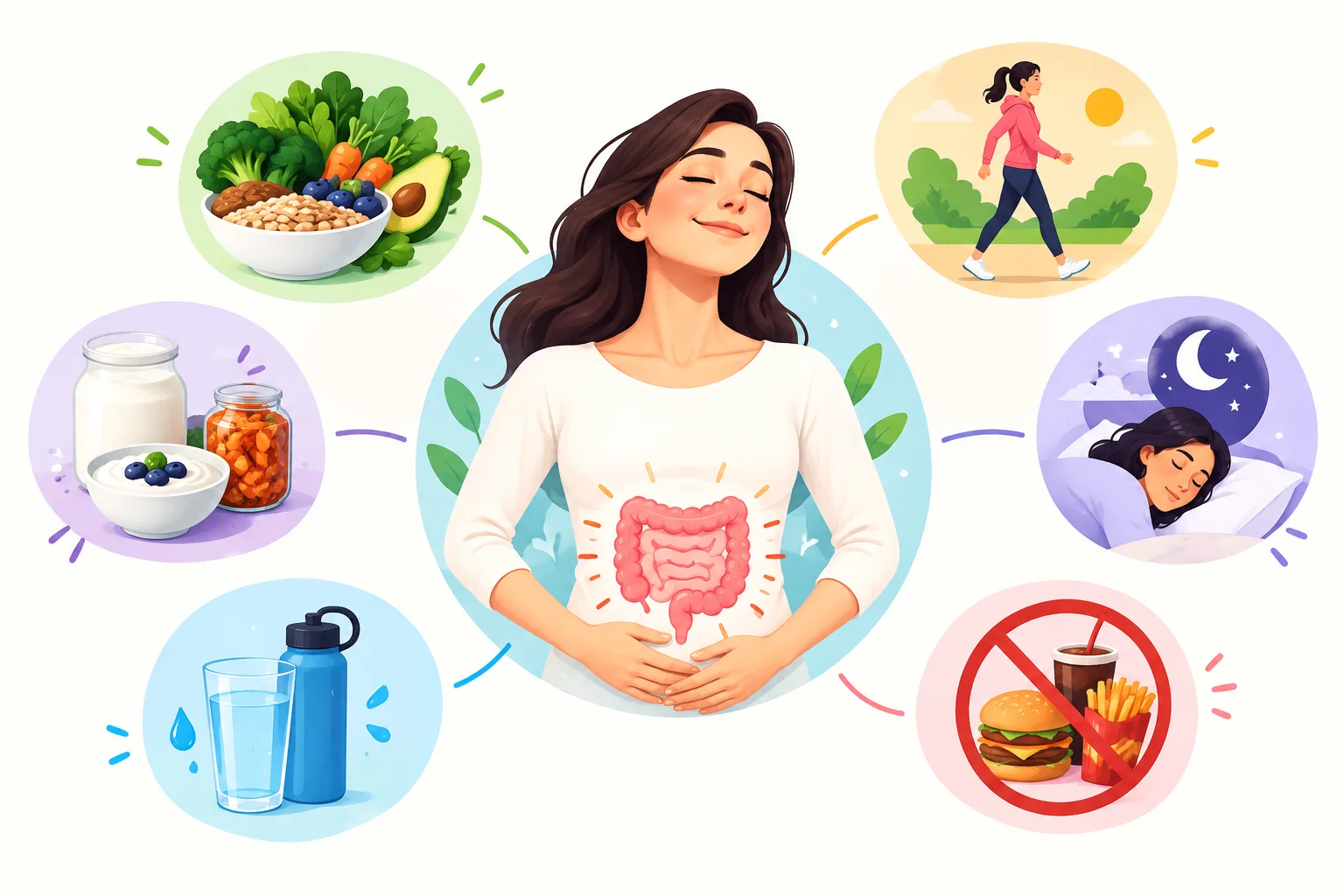
What Lifestyle Changes Help Restore Hormones in Balance?
Severe hormonal imbalances are treated medically but even mild to moderate cases can be treated by lifestyle changes that provide quantifiable benefits and enhance the efficacy of any medical program running concomitantly.
Hormones in balance symptoms respond to sleep most consistently. Most of our growth hormone is produced by the body, and most of the hormonal repair work is carried out by the body at the levels of deep sleep, so the most potent hormonal intervention that can be prescribed without a prescription is seven or nine hours of high-quality sleep.
Exercise controls insulin sensitivity, decreases cortisol in the long run and prompts production of testosterone in both genders. The testosterone and growth hormone secretion are specifically stimulated by resistance training and not by cardiovascular exercise and cannot be matched. Strength training (three to four times per week) leads to significant hormonal changes in eight to twelve weeks of regular exercise.
Nutrition is also very responsive to hormonal changes. Avocado, olive oil and fish rich in fats are good sources of healthy fats used by the body to manufacture sex hormones. The cruciferous family of vegetables like broccoli and cauliflower is good for the metabolism of estrogen.The decrease in refined sugar and processed carbohydrates results in a decrease in insulin resistance, which has a positive cascading effect on almost all other hormonal systems that the body functions.
Summary
Symptoms of hormonal imbalance, such as intractable weight gain and crushing fatigue, mood swings, skin breakouts and sleepless nights are indications of how the body is trying to tell you there is something actually off in your body that can be addressed not that you are weak physically or that you are aging.
By identifying these signals at the earliest stage, relating them to their hormonal causes and addressing them with the appropriate mix of professional assessment and lifestyle management, individuals have the true chance to get back on track, re-energize and feel like themselves once again.
Daily Care Insights urges all its readers with unexplained symptoms that they have been experiencing to take them seriously, document the patterns and present that evidence to a skilled healthcare professional who can then conduct the appropriate tests and prescribe the appropriate treatment.
FAQs
What are the symptoms that are the most frequent with hormonal imbalance?
The most frequent symptoms are unexplained weight gain, fatigue, mood swings, brain fog, adult acne, sleep problems and irregular periods. These are not symptoms which do not occur in combination.
Why are there hormonal changes in the body?
The most common triggers of hormonal imbalance include chronic stress, lack of sleep, thyroid disorders, PCOS, menopause or andropause, insulin resistance and endocrine disruptors found in everyday products.
What are the symptoms that indicate that my hormones are out of control?
Constant symptoms of more than four to six weeks in relation to sleep, mood, energy or weight all at the same time indicate a hormonal imbalance. The best confirmation is through blood tests that detect thyroid hormones, cortisol and sex hormones.
Is it possible to be anxious and depressed due to a hormonal imbalance?
Both serotonin and dopamine hormones are affected directly by the hormonal changes controlling emotions. They all lack estrogen, progesterone, and testosterone and result in anxiety and depression, but they can be relieved once their imbalance has been corrected.
How many days will it take to heal a hormonal imbalance?
In mild cases, lifestyle changes can yield quantifiable benefits in eight to twelve weeks. Medical interventions such as thyroid medication or hormone replacement therapy are usually seen to yield results in about four to eight weeks after taking the right dosage.