The language of your body is chemical, and the words in this language are hormones that talk to every system, cell and organ in your body. When this language becomes muddled, you feel the effects everywhere: your energy levels drop, your skin breaks out, your menstrual cycle becomes unpredictable and your mood swings wildly. But why? What causes hormonal Imbalance to go haywire? The truth is, it’s not easy to say that it’s just one thing. Your endocrine system is receiving all the signals as a result of chronic stress, poor sleep, an imbalanced plate when you aren’t working or even plastic containers in your kitchen and it is up to the system to determine what to do.
It’s a question that is asked by millions of people annually and there’s a reason for that. Many lifestyle changes are hormonal that happen more often than people think and that affect both men and women, regardless of age. Here, Daily Care Insights tackles the facts behind imbalances, ranging from lifestyle factors you can fix now to medical and environmental factors you should investigate further. Let’s get into the science of hormonal changes and what you can do about them.
Primary Lifestyle Causes of Hormonal Fluctuations
Chronic Stress and High Cortisol Levels
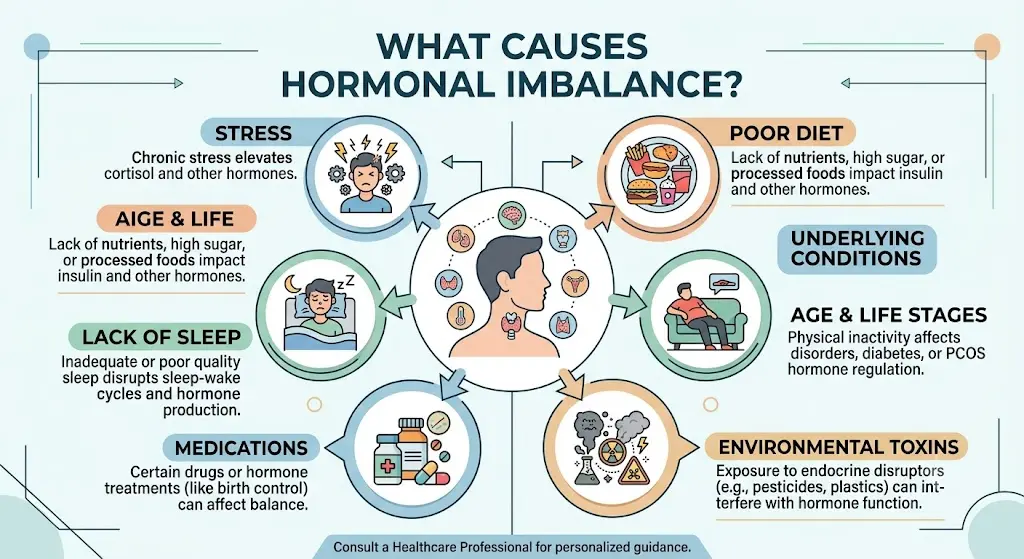
Stress isn’t only in your mind, it is in your blood. When you’re up against a deadline in an argument or pretty much any other stressful situation, your body releases cortisol, your primary stress hormonal fluctuations in lifestyle. A quick release of cortisol allows you to cope with a crisis.When that tap is left on full time due to the chronic nature of stress, then the body starts to treat a normal Tuesday like it was a 5-alarm fire.
Elevated levels of cortisol interfere with almost all hormones of the body. These include reproductive hormones, like estrogen and testosterone, and could possibly even affect insulin sensitivity and thyroid. The hormonal excess will not be felt at once but later on would show its results in the form of increased abdominal fat, irregular cycles, low libido and the ‘wired and tired’ syndrome of adults.The research is always consistent and shows how closely linked psychological stress and hormonal health are in that chronic psychological stress is associated with anxiety and mood disruptions in individuals with existing hormone-related health problems.
Managing stress is not something you can afford, it is essential for your hormones to function properly! Something as basic as breathing exercises, going on a walk outdoors, writing in a journal or even scheduling short periods of downtime between appointments can really make a difference in terms of reducing cortisol levels.
Poor Diet and Nutritional Deficiencies
When it comes to food, hormones are being physically created. To produce hormones such as estrogen, progesterone and testosterone your body requires certain building blocks, healthy fats, good quality protein and certain micronutrients such as zinc, magnesium and vitamin D. If these building blocks are not consistently skipped, the production of hormones decreases or is unbalanced.
This is worsened by sugar and ultra-processed food. These foods are high-GL foods that produce a sudden rise in the blood sugar level leading to excess production of insulin by the pancreas. Over time, no matter how many times the insulin spike occurs, it can cause insulin resistance, which is the root of many hormonal issues, such as PCOS and type 2 diabetes. Extreme calorie restriction and crash diets have the same effect because a severe calorie deficit triggers a famine response. Your body goes into survival mode and lowers production of reproductive hormones.
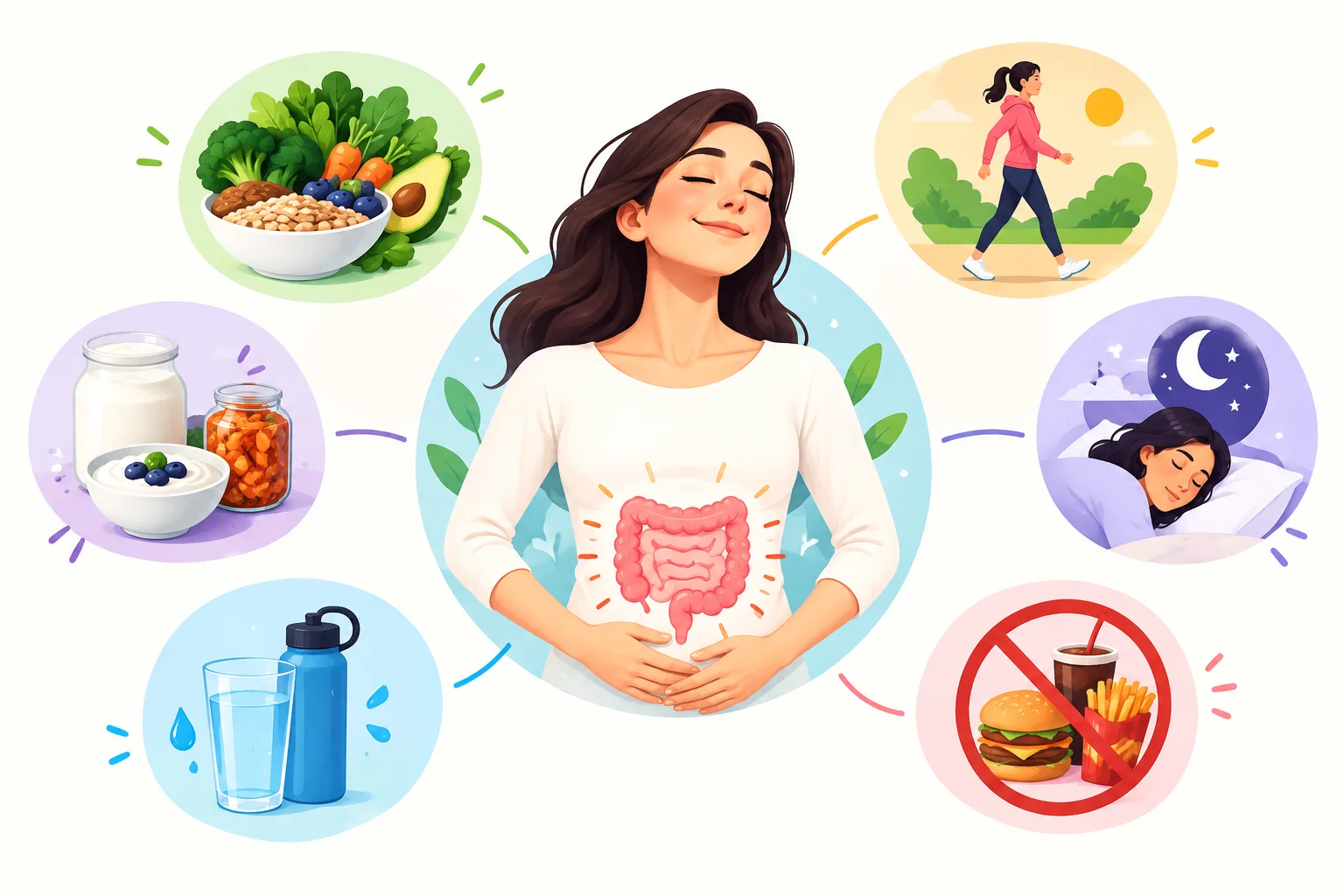
Redesigning your plate can do more than improve your waistline. The high consumption of fibre, healthy fats like avocado and olive oil and a normal protein consumption at every meal will aid in keeping the blood sugar level constant and give the raw materials that your endocrine glands need in order to perform effectively.
Sleep Deprivation and Circadian Rhythm Disruptions
However, all these activities happen while you are asleep. Hormones such as growth hormone, melatonin, cortisol and other hormones related to appetite such as leptin and ghrelin follow a strict 24-hour schedule, which depends on how good your sleep is. According to the statistics released by Centers for Disease Control and Prevention (CDC), about 30% of adults in the US do not get enough sleep per day (less than seven hours daily) and just half of adults sleep well.
Why do hormones change?
Reduce sleep even just a few nights in a row and cortisol increases insulin decreases. The levels of the hormones involved in feeling full (leptin) decrease and the hormones involved in feeling hungry (ghrelin) increase. It’s for this reason that chronic short sleep has been associated with a higher risk of weight gain, sugar craving and subsequent metabolic disruption.Overuse of screens at night will also contribute to the same since it will cause this delay in your natural sleep-wake pattern as it will further inhibit the synthesis of melatonin.
Eat well and sleep well and soon you will get the benefits of a healthy circadian rhythm. In no more than two weeks, an established bedtime schedule, a dimmer, cooler bedroom and a screen an hour before bedtime can help in the sleep-Melatonin and cortisol cycle.
Lack of Exercise vs. Overtraining
One of the most direct influences on your hormone system from your body is movement. Exercise raises your body’s insulin sensitivity and maintains proper levels of testosterone and estrogen, while producing endorphins to reduce cortisol. Hormonal fluctuations in lifestyle habits reduce metabolism in the same way poor eating does.
Go too far the other way, however and exercise itself becomes a stressor. Sustained cortisol elevation, decreased reproductive hormones and delayed periods in women or decreased testosterone in men (often referred to as relative energy deficiency in sport) are all potential side effects of overtraining without appropriate recovery. Your hormones aren’t only looking for exercise—they’re looking for them to be balanced with real recovery.
It’s more important to find your “just right” workout plan than your “perfect” workout plan. Incorporate moderate cardio, strength training and one full rest day per week to provide the stimulus without putting your body in a chronic stress state.
Underlying Medical and Environmental Causes
Medical Conditions (PCOS, Thyroid Issues, Diabetes)
Sometimes, all you can do is change the way you drive. Why do hormones change? PCOS is one of the most prevalent disorders in women today, with a prevalence estimated by endocrinology research to be 6 to 12% of women of reproductive age worldwide. It interferes with ovulation, increases androgen levels and is frequently accompanied by insulin resistance, which is why diet and PCOS are linked.
The number of people affected by thyroid disorders is large and silent too! National health survey data has revealed that about 8 per cent of adults have a thyroid disorder, while over 6 per cent of these do not know it. As your thyroid is responsible for metabolism, temperature regulation, and energy generation, even minor thyroid disorders can manifest as fatigue, weight gain or loss, thinning hair or mood swings attributed to “just stress.
This trio of common offenders is rounded out by diabetes and prediabetes. When insulin is out of control, it is not alone, it takes reproductive hormones with it, along with thyroid and stress hormones.In case of no improvement of symptoms despite maintaining a clean diet, having a good night sleep and exercising regularly, a basic blood panel with your physician would suffice to rule or confirm the existence of these underlying problems.
Environmental Toxins and Endocrine Disruptors
Hormones do not just react to your food and your sleep, they react to your environment!Plastic containers, some cosmetics, non stick cookware and even some cleaning products contain EDCs that can communicate with your receptors instead of or in competition with your natural hormones. They are often found in common household products, such as parabens, phthalates and BPA.
The long-term exposure is accrued gradually. These are chemicals that have been linked to early puberty, reduced fertility, alterations in thyroid gland and metabolism change in many years of exposure. You might not be able to eliminate all of these chemicals, but even small differences can do much good: use glass or stainless steel food containers, rather than plastic and you can avoid using plastic food containers by microwaving foods in, as well as avoiding using fragrance-free personal care products wherever possible.
Summary
Hormonal fluctuations in lifestyle usually don’t have only one cause. Typically, a combination of chronic stress, poor nutrition, irregular sleep, insufficient activity and exercise and some form of disease or exposure, such as smoke to the environment. The good news is that many of the triggers are quick to respond to consistent, small changes, such as sleeping better, eating a more balanced diet, managing stress more effectively and exercising in a way that’s actually in line with your lifestyle.
Waiting it out until these changes can help your symptoms is not the solution. When you feel any of the following symptoms fatigue, irregular periods, unexplained weight loss or weight gain or mood swings. They should be talked about with your doctor and a hormone panel should be obtained. Daily Care Insights will keep bringing you Science-based, practical advice to understand your body instead of surmising it, one hormone at a time is to come.
Frequently Asked Questions
Which of these is the quickest solution to a hormonal imbalance?
The best sleep, a low stress level and a balanced diet will provide the quickest release while serious medical problems require medical attention from a doctor.
Is it possible for a hormonal imbalance to resolve itself?
The lifestyle associated imbalances may be corrected by good health practices but some such as PCOS or thyroid disease are generally require treatment.
What are the symptoms of hormonal imbalance?
Such symptoms include fatigue, loss of weight, abnormal periods and mood swings and can easily be diagnosed by a simple blood test.
Is stress associated with a hormonal disequilibrium?
Absolutely, prolonged stress levels could elevate cortisol to a level at which it becomes harmful to the hormones of reproduction, thyroid, and blood sugar without the help of other hormones.
What are the natural foods that can balance hormones?
The consumption of vegetables with fiber content, along with healthy fats and proteins every day, helps to maintain blood sugar levels and provides energy for hormone production.