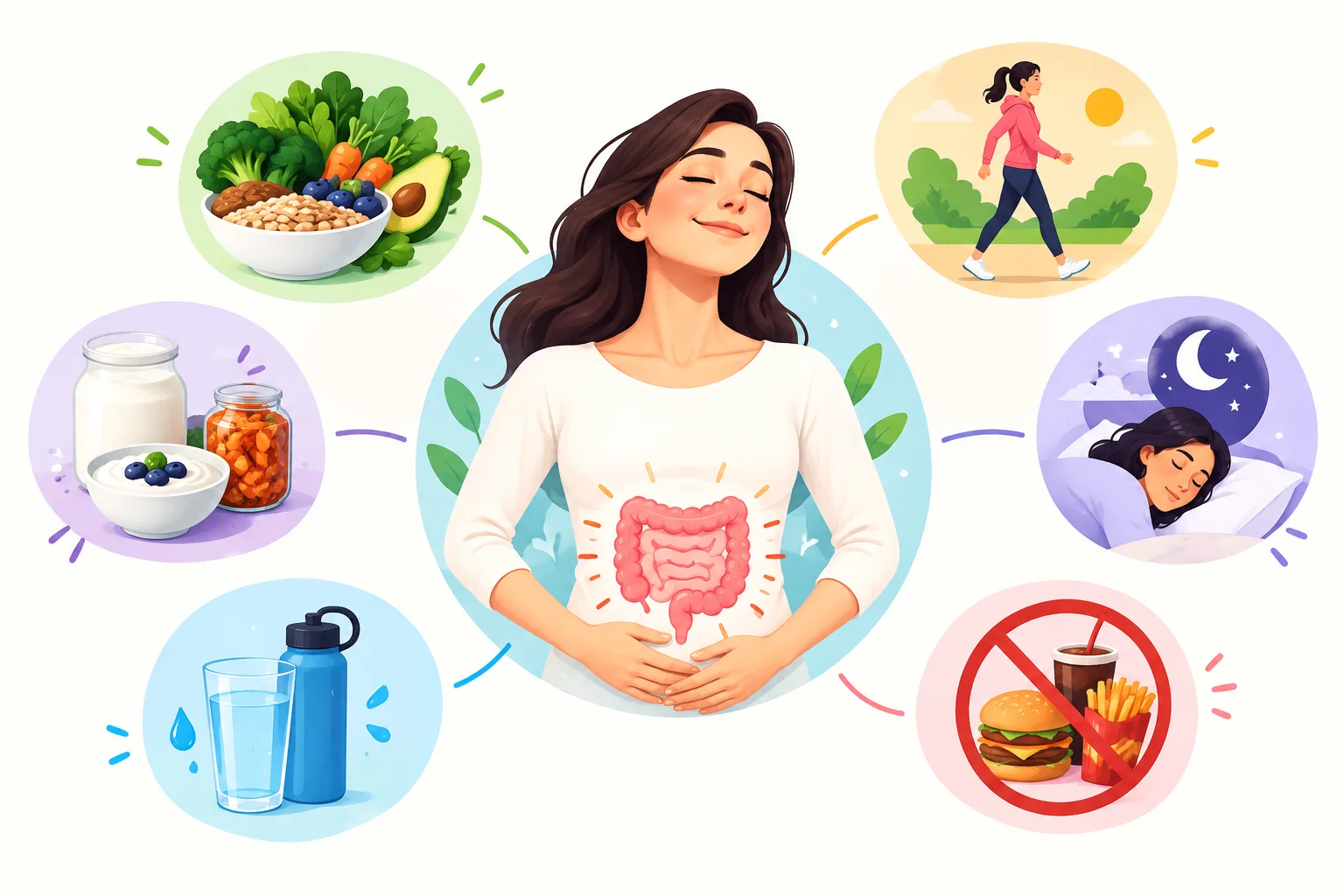
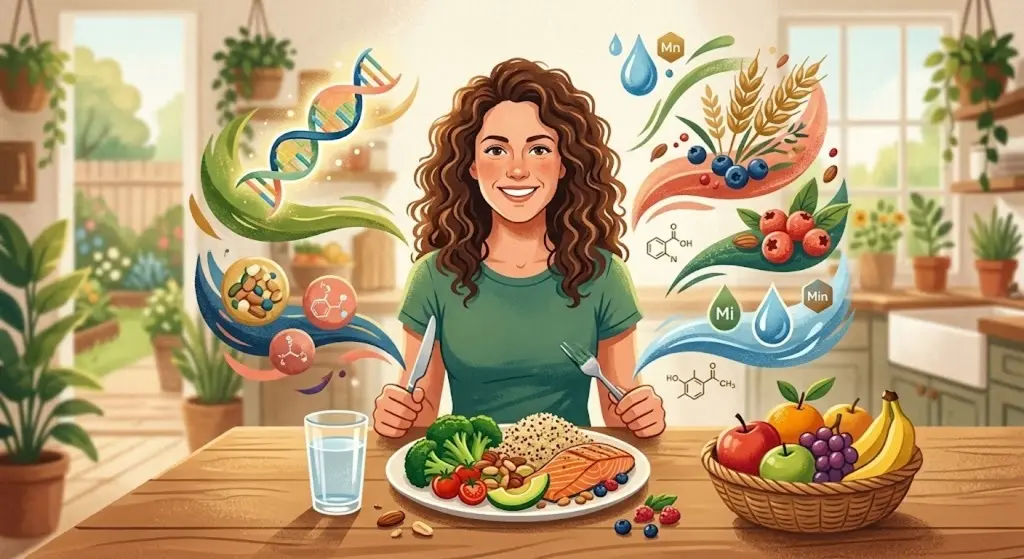
Your food consumption influences all the cells of your body and the majority of people are not aware of this. What is nutrition? Nutrition in the most simple definition is the science of the food that nourishes, builds and heals the human body. Poor nutrition is a major risk factor for 4 out of the 10 top causes of death in the world, so much so that people ought to know what they’re eating for one of the most powerful health choices they make. Daily Care Insights designed this guide as a way to demystify nutrition, beginning with the basics of which nutrients you require to consume and the signals that your body gives you when you are not getting them.
What Are Nutrients and Why Does Your Body Need Them?
Food has far greater value than calories; being aware of it is a big difference in how majority of people consume food. The response to the question what are nutrients is a very narrow one that nutrients are chemicals in the food that are absorbed by the body and used to provide energy, repair tissue, immune responses and numerous other essential processes. Unless the body gets the right nutrients it will start to steal what it requires out of the stored fat in the body, leading to fatigue, illness and general health decline.
There are two main groups of nutrients. Micronutrients exist in minute yet very important quantities and they are involved in biochemical reactions whereas the macronutrients exist in abundant quantity and are sources of energy. The two groups must operate as one and without either of them they will show imbalances in energy, mood, skin and immune response which are experienced sooner than most of the people comprehend.
What Are the Main Types of Nutrients: Macro nutrients vs Micro nutrients?
A balanced amount of fuel is needed by the human body, along with working compounds and nutrition science divides the requirements into two categories. An entire diet consists of two pillars, which include Macronutrients and micronutrients and understanding the difference between the two can make every person make informed food choices and not just guessing.
Macronutrients
Macronutrients are the three body nutrients that are consumed in grams daily. Carbohydrates contain 4 calories per gram and are the energy source of choice to the brain. Proteins also contain four calories per gram and aid in muscle repair, enzyme production and immune functioning, as well. Fats contain 9 calories per gram and are utilized to make hormones, to assist in the absorption of vitamins as well as to store energy in the body. All three components play a role in a balanced diet and they are all needed in the correct proportions.
Micronutrients
Vitamins and minerals are needed in amounts but they are really important for our health. These are called micronutrients. They are expressed in milligrams or micrograms. Many people all over the world suffer from a deficiency. For instance, one billion people lack vitamin D in their bodies. According to the World Health Organization, a lot of people suffer from lack of iron too. Iron deficiency anemia is one such disease that afflicts more than 1.6 billion people worldwide.
What are the 6 Essential Nutrients Your Body Cannot Live Without?
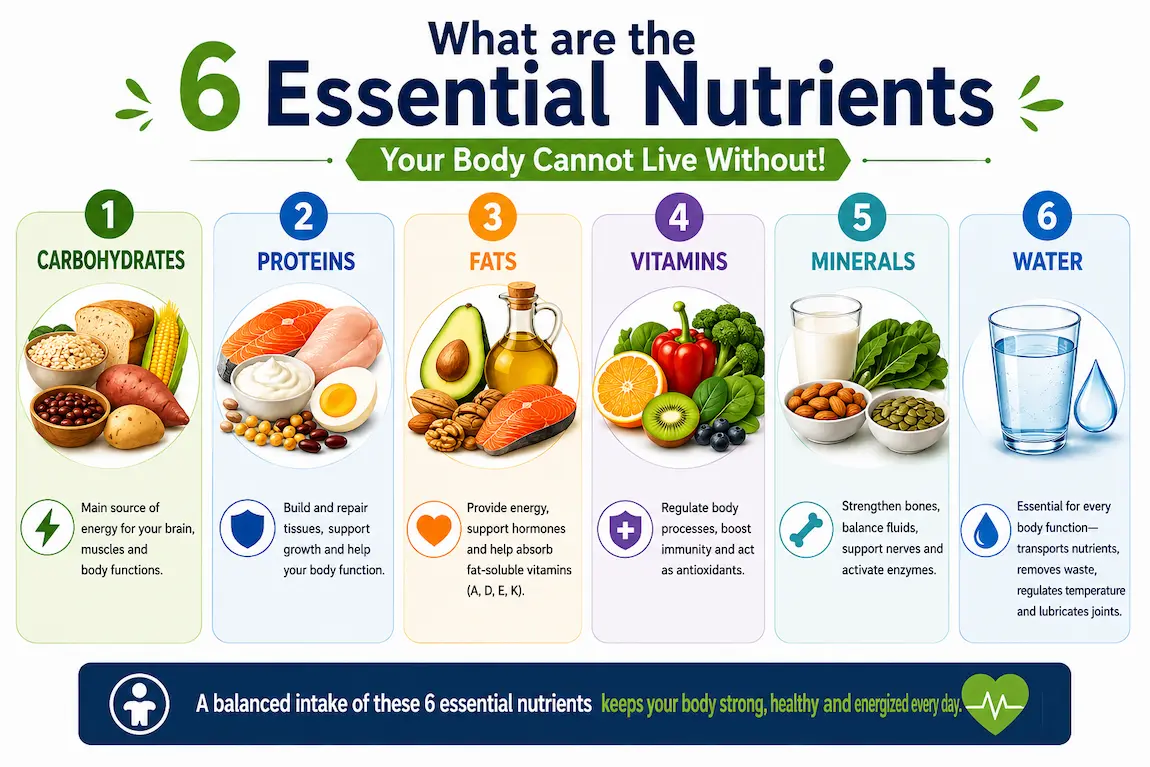
Six classes of compounds are commonly studied in nutrition research and are known to be important to the human body although they cannot be produced by the body in sufficient quantities. What are the 6 essential nutrients? The 6 key nutrients are the carbohydrates, proteins, fats, vitamins, minerals and water and none of the nutrients can serve the roles that each performs.
Carbohydrates
Carbohydrates are a good way to give the body energy. This is because they turn into glucose, which the brain and muscles and red blood cells need.You can find carbohydrates in foods like grains and legumes and vegetables. These are good because they take a time to break down. So they give you energy for a time. Carbohydrates like sugar are not so good. They make your glucose levels go up fast. Then you might feel really tired. Carbohydrates should be a part of what you eat every day. In fact carbohydrates should be 45 to 65% of all the calories you eat in a day.
Proteins
The proteins act as the building blocks for all the tissues within the body. The proteins consist of 20 amino acids out of which nine amino acids are not synthesized by the body and are essential. They have to be taken through the diet because the body cannot synthesize them. Some of the food items containing complete amino acids include eggs, fish, meat, milk products, legumes, and quinoa. The recommended protein intake is 0.8 grams per kilogram of body weight and more protein intake can be suggested to patients who are athletes and elderly individuals to help combat fatigue, and retain body mass.
Fats
Fats have not been looked into for some time now in terms of their importance in our diets due to the emergence of fad diets that call for low fat consumption. Intake of healthy fats from sources such as avocados, nuts, olive oil and fish may aid in increasing hormone production and the assimilation of fat-soluble vitamins (A, D, E, and K). Brain tissues in their dry form contain nearly 60 percent fat.. Although there are dietary fats that continue to be strongly associated with increased cardiovascular risk, such as trans fats and too much saturated fat, unsaturated fats are also heart healthy.
Vitamins
Vitamins are organic substances which act as regulators of metabolic processes, promote immunity and act as antioxidant. The body requires 13 vitamins each of which is supplied in the diet by a different source and performs a different role in the body.Vitamin C helps to produce collagen, Vitamin B12 aids in the health of the nervous system and red blood cells while Vitamin A is used for vision, skin problems and also the immune system. The fat soluble vitamins which include vitamins A, D, E and K are likely to be stored in the body fat than any other vitamins and thus they should be taken regularly. Vitamins that are water soluble (C and the B group) are washed out of the body in case of excess intake and thus need a more frequent intake.
Minerals
The inorganic compounds are minerals that are required by the body to build the bones, to balance the fluids, to transmit nerve impulses, as well as activate enzymes. Calcium is necessary to develop and sustain bone density at any given stage of life and iron is utilized to carry oxygen in the blood and magnesium is necessary to over 300 enzyme reactions within the body. Zinc, potassium and selenium are respectively involved in immunity, heart and thyroid respectively. The minerals can be quite easily obtained from a balanced whole food diet. Nevertheless, some groups like the elderly, pregnant women, and athletes might require attention to the regular intake of minerals.
Water
Water is a nutrient and most people have categorized it under the chronically underrated category yet it is part and parcel of the literally everything that happens in the body that is physiological in nature. Human body consists of about 60% water and a 2 percent loss of body mass fluid leads to noticeable reductions of concentration, bodily performance and mood. Water assists in transporting nutrients to cells, gets rid of metabolic waste and regulates body temperature and lubricates joints. The quantity of water that adults need per day ranges between 2 and 3.5 liters in relation to the body size, degree of activities and climatic conditions and plain water has proven to be the most effective and with zero calories.
How Do Nutrients Actually Function Inside the Human Body?
Nutrition becomes more than a vague concept but a daily need because of the knowledge of what the body is doing with the nutrients. All the nutrient groups activate certain biological activities that the body relies on to survive, recuperate and prosper at every age group.
Carbohydrates are a fast source of energy, which replaces glycogen in muscle and liver tissue after exercise. Microscopic tears in the muscle tissue caused by exercise are mended by proteins responsible for making enzymes, which boost the speed of all chemical reactions in the body. Fat forms cell membranes and helps transport fat-soluble vitamins to the cells that need them. Vitamins activate metabolic processes turning food into energy. The one that supports electrical gradients across nerve and muscle cell membranes that support movement and thought are the minerals. Water relates to all the processes in that it is the solvent in which all the biochemical reactions take place.
The body coordinates and maintains these systems in action at all times and that is why regular and well-balanced dieting gives a much greater supply of energy and rest than even periods of good diet and periods of bad diet.
Why Is Nutrition Important for Your Long-Term Health and Energy?
The chronic disease statistics indicate exactly how much nutrition is impactful on the long-term health. According to the estimates of the CDC, six out of every ten Americans adults have at least one diet-associated chronic illness such as type 2 diabetes, heart disease and some cancers. The effects of nutrition on body weight, level of inflammation, blood sugar levels, bone density and cognitive abilities are direct and occur in all decades of life.
It is also good nutrition that ensures that the body is back on its feet sooner after an illness, surgery and physical training. Athletes with a proper dieting plan and quality will always have an upper advantage over other athletics of the same level of training but with an inferior diet. Older adults consuming adequate levels of protein and micronutrients will be much more likely to maintain mass and bone mass than those who do not and will have a reduced number of falls and many more years of productive life.
Daily Care Insights reiterates over and over again one of the discoveries of nutrition studies that most people are going to be appalled by: food choices have equal effects on the mental health outcomes as they do on the physical outcomes. A 2019 Lancet Psychiatry review concluded that dietary improvement programs had a significant reduction in depression symptoms in clinical trials and the brain is as responsive to nutrition as any other part of the body.
What Are the Most Common Nutrient Deficiency Symptoms to Watch For?
Once you are aware of what to read the body tells you its nutritional deficiencies. The symptoms of nutrient deficiency develop slowly, this is why most people do not associate these types of symptoms with diet but with stress or age. These symptoms, if detected in their early stages can be fixed through just changes in diet that will reverse the deficiencies before they lead to any serious issues.
Being constantly tired despite getting enough sleep is something that those suffering from a deficiency in either iron, vitamin B12, or vitamin D have in common. Brittle nails and hair loss mean a deficiency of biotin or zinc. Constant illnesses and slow wound healing are symptoms of either a vitamin C or zinc deficiency, since both elements are responsible for producing immunity cells and repairing tissues, respectively. The absence of magnesium or potassium may be evidenced by muscle spasms and irregular heartbeat, and the absence of vitamin A in the body may be nearly always traced to poor night vision.
The result of long-term calcium and vitamin D deficiency is frequently exhibited in pain or stress fractures in healthy adults, especially women. A common side effect of vitamin B12 deficiency is pain or numbness of the hands and feet, particularly in people who consume a vegetarian diet and are on long-lasting medications that suppress acid. Being able to hear these symptoms of the body and responding to them by adopting particular changes to the diet or to the supplementation can guarantee that the mild deficiency will not give rise to serious health issues.
Start Building Better Nutrition Habits Today
The way the body works, heals and ages is all determined by nutrition. Being aware of what every nutrient is and its sources gets the guesswork out of eating well and makes having a regular healthy eating choice a lot easier in the long run.
The six essential nutrients: carbohydrates, proteins, fats, vitamins, minerals and water each have a place that no other substance can take. Their energy, immunity, mood and physical performance are affected by lack of any of them, making it apparent to most people much earlier than they would. The good news is that most of the nutritional deficiencies can be bridged within the shortest time possible to certain changes in the diet, especially where the most significant changes in the diet start with whole, minimally processed foods in each of the nutrient categories.
Ready to be health conscious? Read more professional nutrition resources, meal planning ideas and wellness information based on science on our blog. The best way to be the best version of yourself is by learning to know what your body really needs and providing it.
Frequently Asked Questions
These are the most common nutrition questions that are raised by the readers.
What are nutrients?
Nutrients are those chemicals that are present in food and are absorbed by the body in order to energize the body for doing work and making up the body tissues. Nutrients may include any one of the six types, namely carbohydrates, proteins, fats, vitamins, minerals, and water.
What is the difference between macronutrients and micronutrients?
Macronutrients are carbohydrates, proteins and fats that supply energy in either large quantities per day in grams. Microelements, vitamins and minerals in milligrams or micrograms play a role in biochemical processes but play a vital role in health and disease prevention.
What is a growth-helping and repair-helping nutrient?
Protein is the closest growth and repair stimulator as it supplies the body with amino acids which help to restore the muscle tissue, form enzymes, reestablish organ walls and facilitate the immune activity. Dietary protein is used throughout the day by the body to maintain and to recover.
What is the main source of energy for the body?
The carbohydrates are the energy source most efficient or primary source of energy in the body due to their conversion to glucose that is utilized by the brain, muscles and red blood cells. The body begins to utilize fats as its energy source when the quantity of carbohydrates that one takes is lowered through a process referred to as ketosis.
What is the significant energy provider in the body?
The main source of energy in the body is carbohydrates since they are converted to glucose much more quickly and efficiently than proteins or fats. Even under normal dietary conditions, the brain alone absorbs about 20 percent of the total energy budget of the body and can nearly solely be supported by glucose to perform its normal functions.