
Introduction
Recognizing the signs of poor gut health early can help you avoid bigger digestive issues down the road. Millions of people experience digestive problems every year, ranging from bloating and constipation to IBS and GERD, and these symptoms often trace back to an imbalanced gut.
Your digestive system does more than break down food — it also plays a role in immunity, mood, sleep, and skin health. When the gut falls out of balance, the signs of poor gut health can show up in unexpected ways throughout the body. Below is a complete list of the most common signs of poor gut health, their potential causes, and simple ways to support a healthier gut — plus when it’s time to see a doctor. For more wellness breakdowns like this, check out Daily Care Insights.
What Is Gut Health?
Gut health is the whole ecosystem of the digestive system and its ability to break down food, absorb nutrients, maintain regular bowel movements, and interact with the trillions of microbes residing in it. Understanding what causes the signs of poor gut health starts with knowing how this ecosystem is supposed to function in the first place. When the gut functions well, digestion tends to run smoothly too — but a loss of this balance may slow digestion and trigger the early signs of poor gut health. Recognizing these signs of poor gut health early is the first step toward fixing them before they escalate.
What Is the Gut Microbiome?
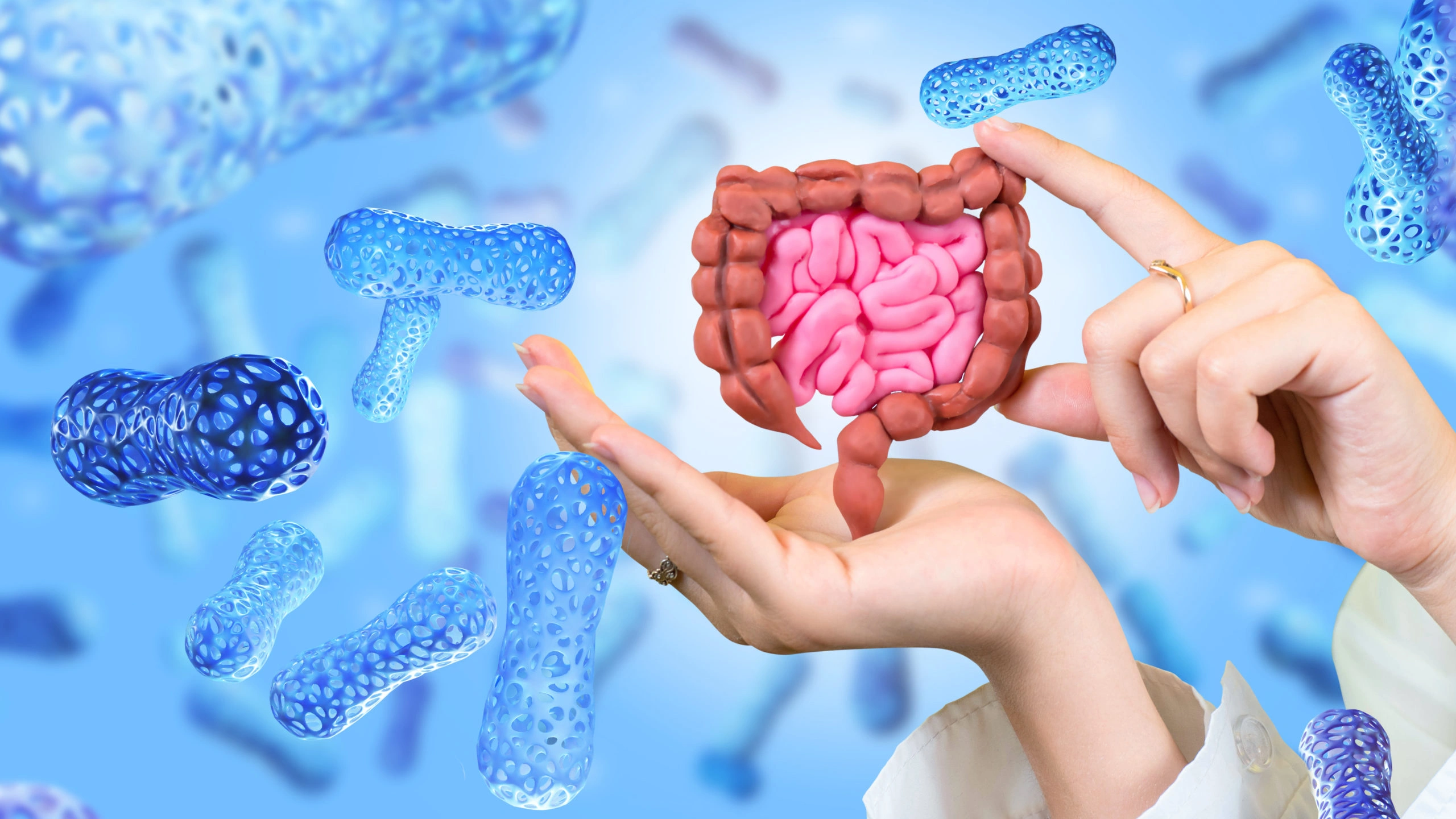
The microorganisms mainly bacteria but also other microbes that inhabit the gut are the ecosystem of the gut microbiome. It serves the body in a few important ways such as aiding in the digestion of food, production of certain vitamins, immune system support and working with the gut brain connection including through brain chemicals like serotonin.
A good gut microbiome is associated with diversity. It is laden with different bacteria and is in equilibrium with one another. Overgrowths of some less beneficial bacteria or decreases in diversity gut microbiome imbalance have been linked with digestive symptoms.
Can Poor Gut Health Cause Digestive Problems?
Changes in gut function or gut microbiome may be a sign of poor gut health and associated with digestive symptoms but there are numerous other potential causes. An aggravated intestine or a microbiome imbalance may result in the body digesting food receiving nutrients and eliminating waste materials via the digestive tract at a slower rate which increases the likelihood of causing bloating, gas and reflux. It can be a mutual relationship; intestinal issues can affect the balance of intestinal bacteria that can cause additional digestive issues and it is also necessary to take care of the balance at an early age.
10 Signs of Poor Gut Health to Watch For
Sometimes the signs of poor gut health aren’t as obvious as a simple tummy ache. Here are the 10 most common signs of poor gut health to watch for — and if you’re also managing a packaging or e-commerce brand around wellness products, Vexa Packaging covers custom packaging that fits health and supplement brands too.
1. Frequent Bloating and Gas
Having frequent bloating and gas can be a number of things and not all of them are necessarily a sign of a problem by themselves but if they do occur more often than not then it might be good to listen to what it’s saying.
2. Irregular Bowel Movements
Any change in bowel movements (constipation or diarrhea) may be an indication of abnormal digestive function.
3. Regular Abdominal Discomfort
When you have stomach cramps or pain in your stomach or abdomen that lasts longer or occurs frequently then it is most likely that your gut is inflamed or not doing properly. It is a bargain particularly when you are always having gas and bloating.
4. Frequent Indigestion or Heartburn
When you experience abdominal pain, stomach cramps over a period of time or when it occurs frequently your gut is likely not functioning properly or be inflamed. This is a bargain particularly when you are always bloated and gassing.
5. Changes in Stool
When your stool appears different such as a color or it is very hard or very loose then you should watch it with time. When your poop is black or it appears tar-like that is a severe indicator and you need to visit a doctor since it might be an indicator that there is bleeding in your bowel.
6. Food Intolerances or Increased Food Sensitivity
A food intolerance or sensitivity may be indicated by leaving eating stuff that never bothered you previously feeling bloated or getting gaseous. You should consider that because Regular Abdominal Discomfort and food issues may be connected with the state of your gut.
7. Unexplained Fatigue
Due to the association of a large portion of the immune system with the digestive system gut imbalance causes fatigue in some individuals. Nevertheless fatigue may be caused by a myriad of things and must not be taken as an independent indicator of an unhealthy gut.
8. Changes in Skin Health
It is somewhat supported that gut inflammation could be linked with skin inflammation such as acne or eczema. But there are a variety of potential causes of skin conditions and gut health is not the sole cause.
9. Changes in Mood or Sleep
The gut produces much of the chemical in the brain serotonin that helps to control mood and sleep. Although the relationship between the gut microbes the brain and serotonin is complex and research is still in progress there are studies that have attributed a disruption in the gut bacteria to changes in mood and sleep patterns. Poor sleep habits can make this worse, so it’s worth reviewing your sleep hygiene routine if this sign sounds familiar.
10. Unexplained Changes in Weight
A change in weight whether gaining or losing not caused by dietary and exercise changes may have a nutrient or other metabolic-related etiology of gut health. Any weight loss or gain that you don’t know about should warrant some discussion with a health care provider.
What Causes Poor Gut Health?
Diet is one of the biggest contributors to the signs of poor gut health mentioned above. The fiber-rich plant foods we eat are good in the gut and a high intake of foods prepared with highly refined and processed grains and added sugar may negatively affect gut health. Gut bacteria, stress, sleep and lifestyle habits all have a role to play as well all which can help contribute to the unhealthy gut symptoms.
Stress influences the health of your gut and vice versa and this phenomenon is known as the gut/brain axis. Stress may also affect gut movement and the stability of gut microbes which can be transmitted to mood. Chronic, unmanaged stress — including burnout — is a major driver of gut/brain axis disruption, so addressing stress is often just as important as fixing your diet.
Poor sleep and lifestyle habits like irregular sleep patterns, sedentary lifestyles, alcohol and smoking can be considered other lifestyle factors that can change gut bacteria and digestive health.
Gut Bacteria Imbalance and Gut Microbiome Imbalance
When there is gut bacteria imbalance of bacteria it usually results from an illness, use of antibiotics, diet or extended stress. The term gut microbiome imbalance can be used to describe the overall decrease in the diversity of the gut’s microbial community and is not just about the ratio of good and bad bacteria. Suspected increased risk of digestive symptoms has been associated with loss of microbial diversity or function.
Consulting with health care professionals is a good idea if symptoms of gut health occur and several of them occur at the same time and if they last for several weeks.Consulting with health care professionals is a good idea if symptoms of gut health occur and several of them occur at the same time and if they last for several weeks.
How to Support Better Gut Health
- Maintain good motility of the intestines and balance between good and bad bacteria through exercise — one of the simplest ways to prevent the signs of poor gut health from developing in the first place.
- Sleep; This is essential to have a healthy digestive system.
- Lessen stress; stress management methods can make a big difference in the ease of digestion.
- Eat a mixture of plant foods; various plant foods have various kinds of fibres and other substances that have the potential to promote microbial diversity.
- Consider additional supplements: It must not be a food but in that case consult a healthcare provider before taking probiotics or other supplements.
- Increase the amount of fiber in your diet including the vegetables, fruits, legumes and whole grains which feed healthy bacteria and aid in avoiding irregular bowel movements.
- Fiber is better with adequate fluid. Stay well hydrated. Fiber functions better when there is more fluid.
When Should You See a Doctor About Gut Problems?
Vomiting and nausea are frequent and can be resolved. The next are signs that your gut is unhealthy but should make you visit the doctor:
- Symptoms that interfere with functioning or sleep.
- Gastrointestinal bleeding can be heralded by black tarry stools or bloody diarrhea and this can be an emergency.
- Unintentional weight loss
- Prolonged symptoms.
- Abdominal pain that increases or gets worse.
How Are Persistent Digestive Problems Evaluated?
A thorough medical history and physical examination are the first tests performed when evaluating signs and symptoms of poor gut health and may also involve blood tests, stool tests, imaging and endoscopy depending on the symptoms.
Treatment varies depending on the underlying cause and can include dietary adjustments and other treatments. Although diet and lifestyle interventions may not appear to help it is worth inquiring the opinion of a medical professional since she/he will be able to evaluate and prescribe interventions based on your symptoms and the cause.
Conclusion
Spotting the signs of poor gut health early makes all the difference — gut health touches far more than digestion, it also plays a role in immunity, mood, sleep, and skin health. Occasional bloating is normal, but when several signs show up together or last for weeks, it’s worth paying attention. Simple habits like eating fiber-rich plant foods, staying hydrated, managing stress, and getting enough sleep can go a long way in keeping your gut balanced. If symptoms are severe, persistent, or come with warning signs like unexplained weight loss or blood in your stool, it’s best to consult a healthcare provider.
FAQs
1. Can gut bacteria imbalance affect digestion?
The amount and kinds of bacteria in the body can impact the system which can lead to bloating and irregularity.
2. When should digestive symptoms be checked by a doctor?
Individuals are advised to seek medical attention once the symptoms persist beyond a period of then a few weeks when they are severe or their stool contains blood. Also if you have lost weight without trying or if your symptoms are affecting your life it’s also a good idea to see a doctor.
3. Can poor gut health cause digestive problems?
Problems with the gut may be involved in digestive problems. Lack of a balanced gut may affect digestion assimilation of the nutrients and bowel frequency.
4. What can negatively affect gut health?
Conditions that may affect the gut function include fiber consumption, poor sleep, sedentary living, chronic stress, antibiotic consumption and disease.
5. What are some common signs of poor gut health?
Signs of gut health are bloating, abdominal pain, irregular bowel movements, gas and acid reflux. There are also some that experience food intolerance, skin issues, fatigue, mood swings or unexplainable loss of weight.