Joint pain all over the body usually comes from one of five sources: osteoarthritis, rheumatoid arthritis, gout, bursitis, tendinitis or a physical injury. If you are wondering what causes joint pain all over the body, it’s important to understand that these conditions do not act in the same way. Therefore the first step toward true relief is finding out which one is responsible.
Quick Answer: Osteoarthritis, rheumatoid arthritis, gout, bursitis, tendinitis and joint injuries are the 5 most common causes of joint pain. A less frequent but actual sixth cause is a viral infection that may initiate temporary joint pain in several joints simultaneously.
The 2024 National Health Interview Survey conducted by the CDC revealed that 21.3% of the adults in the United States live with diagnosed arthritis. This figure increases dramatically with age: the percentage of adults with a diagnosis of arthritis is nearly 48% at age 65 or older. Joint pain, so to speak, is experienced by almost a quarter of adults at some time. Daily Care Insights breaks down the reasons why.
What Causes Joint Pain All Over the Body? (Quick Overview)
The presence of joint pain in more than one joint can indicate a process happening throughout the body rather than an isolated injury. If you are wondering what causes joint pain all over the body, most cases can be explained by the following five causes:
Osteoarthritis: the cartilage becomes degenerated with age.
Rheumatoid arthritis: the immune system attacks the linings of the joints.
Gout: uric acid crystals suddenly build up.
Bursitis and tendinitis: repetitive stress causes inflammation of the soft tissue.
Injuries: Tearing of ligaments, tendons or menisci as a result of a specific event.
The 5 Most Common Causes of Joint Pain
1. Osteoarthritis (Wear-and-Tear Pain)
Osteoarthritis is one of the clearest answers to what causes joint pain all over the body — it’s a painful disorder of the joints that removes the cartilage which surrounds bones. Over the years of use, the cartilage becomes thin so bones begin to rub together. This friction results in stiffness, swelling and pain which are aggravated by activities. If you are wondering why do my bones hurt, osteoarthritis may be one possible reason especially when the discomfort affects commonly used joints.
Knees, hips, hands and spine are the most commonly affected by osteoarthritis. A characteristic symptom is morning stiffness which subsides in 30 minutes. Weight, past injury to the joints and genetics increase the risk.
2. Rheumatoid Arthritis (An Autoimmune Cause)
Rheumatoid arthritis is the malfunctioning of the immune system that perceives the synovium as an invader of the lining of a joint. Unlike osteoarthritis, the process causes symmetrical pain like both hands or both knees are painful at the same time. Morning stiffness in this instance tends to be more than 30 minutes and in a few cases it may take hours.
Rheumatoid arthritis normally starts in the hands, wrists and feet and spreads out. A rheumatologist treats this disease using a disease-modifying medication because the underlying immune response requires direct treatment, not pain medication.
3. Gout (Sudden, Intense Joint Pain)
Gout is a disorder that occurs when uric acid crystals build up in a joint, most commonly affecting the big toe. Hand joint pain can also occur when gout affects the fingers, wrists or other joints. Pain typically develops suddenly within a few hours, while redness, heat and swelling can become so severe that even light pressure from a bedsheet feels unbearable. Diet can influence uric acid levels, with foods and drinks such as red meat, alcohol and sugar-sweetened beverages potentially triggering flares.
4. Bursitis and Tendinitis (Overuse Injuries)
Bursitis is inflammation of fluid-filled sacs which cushion the joints whereas tendinitis is inflammation of tendons which connect the muscle to the bone. The cause of both conditions is similar: it involves repetitive movements that are not supported by a sufficient amount of rest. The risk is greatest with shoulders, elbows, hips and knees particularly in people who engage in sports, gardening, or manual work.
5. Ligament, Meniscus, and Tendon Injuries
Among the possible answers to what causes joint pain all over the body, a rupture of the ligaments or meniscus that hold a joint in place may happen suddenly as a result of an injury such as a twisted knee, a fall or a collision in a sport. An injury causes pain that begins at a certain point as opposed to the slow onset of arthritis. It is usually followed by swelling, bruising and the feeling that the joint is giving way which occurs within a few hours.
A Less Common Cause: Can a Virus Cause Joint Pain?
Yes. Many joints may be inflamed due to viral infections like the flu, COVID-19 and parvovirus for as long as one to two weeks. The pain in the joints of this kind is relieved when the virus is removed by the immune system and it seldom leads to permanent joint damage.
Comparing the 5 Common Causes of Joint Pain — At a glance, this table sums up what causes joint pain all over the body and how each condition differs.
| Cause | Onset Speed | Common Joints Affected | Morning Stiffness | Swelling Pattern |
|---|---|---|---|---|
| Osteoarthritis | Gradual (months–years) | Knees, hips, hands, spine | Under 30 minutes | Mild, localized |
| Rheumatoid Arthritis | Gradual, progressive | Hands, wrists, feet (symmetrical) | Over 30 minutes | Moderate–severe, both sides |
| Gout | Sudden (hours) | Big toe, ankle, knee | Not typical | Severe, red, hot |
| Bursitis/Tendinitis | Gradual, activity-linked | Shoulders, elbows, hips, knees | Minimal | Localized, mild |
| Injury (ligament/tendon) | Immediate | Knees, shoulders, ankles | None | Rapid, often with bruising |
Why Do My Bones Hurt? Bone Pain vs. Joint Pain Explained
Joint pain and bone pain are similar, but have different sources. If you’re wondering why do my bones hurt, the cause may be different from typical joint pain. Joint pain usually originates from the cartilage, synovium or soft tissues surrounding a joint. However, bone pain in contrast has a cause within the bone itself and is likely an indicator of another problem: a stress fracture, a vitamin D deficiency or in rare cases, a bone marrow disorder.
A basic test is useful to differentiate between the two: pain in the joints gets better with movement and worse with rest, whereas bone pain tends to persist even when one is resting and may be deep or achy instead of sharp. In our guide on how to build stronger bone density, we discuss bone-related issues in more detail through Daily Care Insights which explains the role of nutrient deficiencies as a cause of bone-level pain.
All My Joints Hurt Suddenly: What Does This Mean?
If all my joints hurt suddenly, the cause may be a viral infection, an autoimmune disease flare or fibromyalgia. Viral joint pain often develops a few days after a cold or flu and may improve within two weeks. An autoimmune flare in contrast can develop over several days and may be accompanied by fatigue and a low-grade fever. Fibromyalgia can cause widespread pain without noticeable swelling, which helps distinguish it from inflammatory arthritis.
Joint Pain by Body Part
Hand Joint Pain: Why Are My Hand Joints Sore?
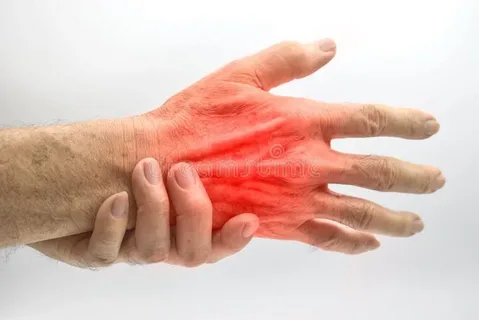
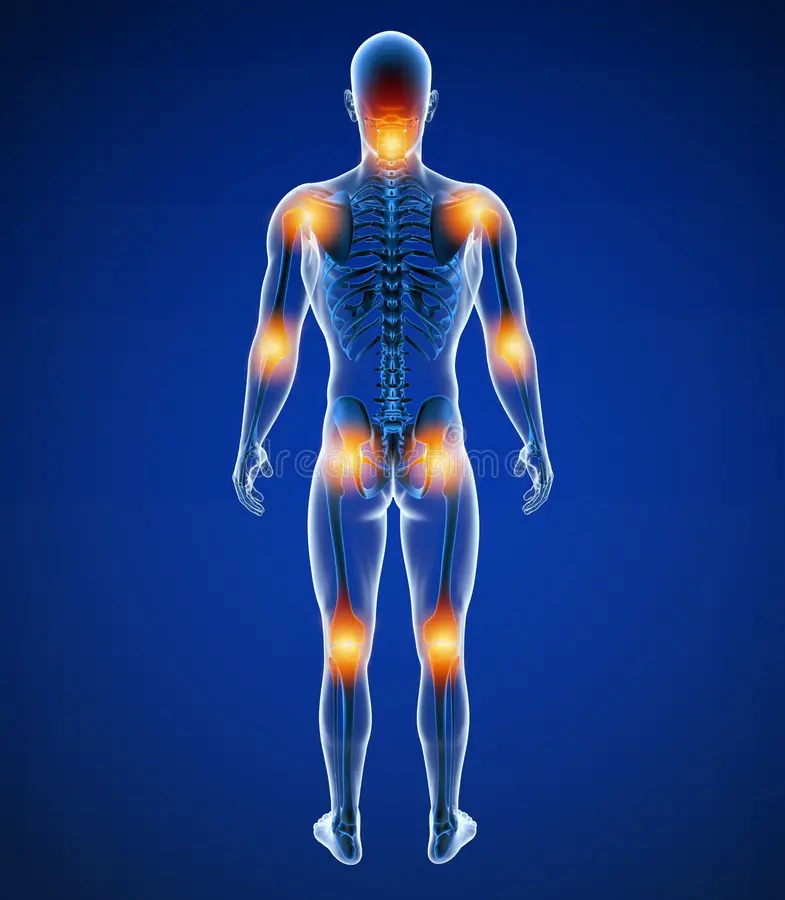
Osteoarthritis at the base of the thumb or rheumatoid arthritis affecting the knuckles are among the most common causes of sore hand joints. The small joints can also be inflamed during repetitive typing, gripping instruments or gardening. Hand joint pain is symmetric on both sides of the hands, and the presence of morning stiffness indicates rheumatoid arthritis rather than ordinary overuse rheumatoid arthritis.
Knee Joint Pain Causes
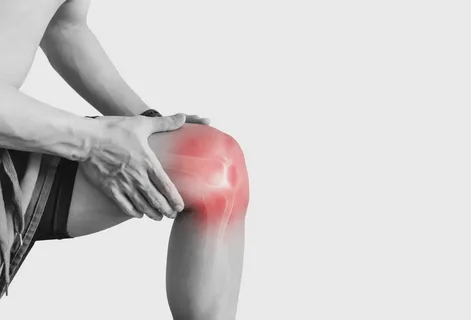
The knee supports the entire weight of the body each time a step is taken and osteoarthritis and meniscus tears prevail here. When the knee is locked, buckles, or swells up quickly after activity, it is often a sign of a mechanical problem and not normal wear.
Shoulder Joint Pain Causes
The pain in the shoulder usually radiates to the rotator cuff tendinitis or bursitis particularly after an overhead action such as swimming or painting. Pain that restricts the range of the arm to more than the height of the shoulders is often a signal of a tear and not of mere inflammation.
Hip Joint Pain Causes
Hip pain among the elderly is typically osteoarthritis, whereas younger adults tend to have hip pain as a result of a labral tear or bursitis. Pain in the groin is more likely to indicate the joint; pain on the outer hip is more likely to indicate bursitis.
Joint Pain by Body Part: Likely Cause and Red Flag
| Body Part | Most Likely Cause | Red Flag Symptom |
|---|---|---|
| Hands | Osteoarthritis (thumb base) or rheumatoid arthritis (knuckles) | Symmetrical swelling in both hands |
| Knees | Osteoarthritis or meniscus tear | Locking, buckling, or rapid swelling |
| Shoulders | Rotator cuff tendinitis or bursitis | Inability to lift the arm overhead |
| Hips | Osteoarthritis or bursitis | Groin pain that limits walking |
Does Cold or Rainy Weather Make Joint Pain Worse?
Cold does not damage the joints; it just makes the existing pain worse. Barometric pressure decreases and approaches rain and this change may make the tissue of the joints swell a bit, a situation that initiates pain in the already swollen joints. In the American Journal of Medicine, a 2007 study discovered that low temperature and increasing humidity were associated with increased reports of arthritis pain but the magnitude of this effect differed among individuals.
Best Foods for Joint Pain Relief
Diet is directly related to the level of inflammation of joints, and it’s often overlooked when people ask what causes joint pain all over the body. Nutritional products that are rich in omega-3 fatty acids, antioxidants and particular vitamins can help to decrease the inflammatory markers that contribute to joint pain.
Foods That Support Joint Health
| Food | Key Nutrient | How It Helps Joints |
|---|---|---|
| Fatty fish (salmon, sardines) | Omega-3 fatty acids | Lowers inflammatory cytokines |
| Turmeric | Curcumin | Blocks inflammatory enzyme pathways |
| Cherries | Anthocyanins | Reduces uric acid, helpful for gout |
| Leafy greens | Vitamin K, calcium | Supports cartilage and bone strength |
| Walnuts | Alpha-linolenic acid | Plant-based anti-inflammatory effect |
Gut health has an underrated role in inflammation of the joints. The unbalanced microbiome of the gut can enhance systemic inflammation, which consequently manifests itself as pain in the joints. This relationship is further discussed in our article on signs your gut health needs attention at Daily Care Insights, which enumerates the initial signs most individuals overlook.
How to Fix Joint Pain at Home
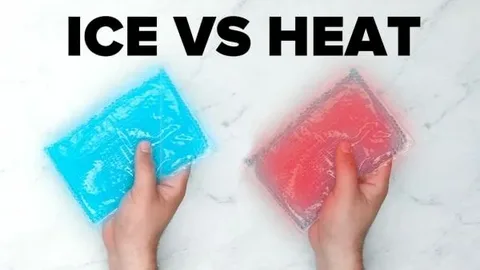
Once you understand what causes joint pain all over the body, the fix often starts at home. Rest minimizes acute inflammation, and total inactivity undermines muscles that provide support to a joint. Exercise without impact, swimming, walking or bicycling does not strain the joints. In the first 48 hours of a flare, ice reduces swelling and heat relaxes stiff muscles and improves blood flow.
Anti-inflammatory drugs are not prescribed but they might help to relieve exacerbations in the short term; however, they do not alter the underlying state. The long-term cure involves finding and treating the underlying cause.
When Should You See a Doctor for Joint Pain?
See a doctor when joint pain that lasts longer than several weeks is accompanied by inflammation or swelling and when it limits the ability to move around — more health and wellness insights are available if you want to explore related topics further. Acute pain with fever necessitates immediate examination as acute pain may indicate a joint infection, a serious but uncommon cause that requires immediate care. Understanding what causes joint pain all over the body can also help determine when persistent or widespread symptoms need medical evaluation.
Joint Pain in Women vs. Men and by Age Group
What causes joint pain all over the body can shift with age. After 50, osteoarthritis prevails due to the wear on cartilage over the decades. Autoimmune diseases such as rheumatoid arthritis, in turn, usually start when someone is between the ages of 30 and 50.
Risk is also a matter of gender. A study conducted by the CDC indicates that age-specific arthritis cases are more prevalent among women (20.9%) compared to men (16.3%), mostly due to more autoimmune joint disorders in women. Menopause and changes in hormones further increase cartilage degeneration and this is why women tend to complain that their joint pain increases much more rapidly after the age of 50.
FAQs
Is it always joint pain and arthritis?
No. When people ask what causes joint pain all over the body, most assume arthritis, but tendinitis, bursitis, injuries and viral infections cause joint pain too. The cause may be determined by the onset pattern which may be sudden or gradual.
Will joint pain resolve itself?
Light joint pain caused by overuse or a small viral infection will normally fade in one to two weeks with rest. Pain that is caused by arthritis or structural injury usually needs particular attention to heal.
What vitamin deficiency causes joint pains?
Lack of vitamin D is known to cause greater joint pain since vitamin D assists in absorbing calcium and bone density. Deficiency of vitamin D in itself does not often result in pain in the joints, but it increases pain in preexisting disorders such as osteoarthritis.
Why do I have aching joints?
Even in cases where the cause is not obvious, what causes joint pain all over the body is not likely to be random — it’s not likely to manifest itself without a cause. The triggers that are not most apparent are a recent viral infection, an increase or decrease in physical activity, weather changes or the initial stage of an autoimmune disease.
Is walking with joint pains good or bad?
Walking benefits most kinds of joint pain by tightening the muscles that bind the joint and increasing circulation. High-impact activities and walking should be avoided and are normally not harmful during an active flare.