Today, trillions of bacteria are present in the inside of your digestive tract and are busily operating a second command center of your body. This is referred to by scientists as the gut-brain axis and it is the reason why a stressful day can easily upset your stomach almost as easily as bad food. The genetic toolkit provided by your gut microbiome is even more than 100 times larger than your own human genome and such microbes possess immense power over digestion, immunity and even mood. To know how to improve gut health it is first important to know that your gut is not just a digestive engine but a second brain that needs to be taken care of on a daily basis.
How to Have a Healthy Gut?
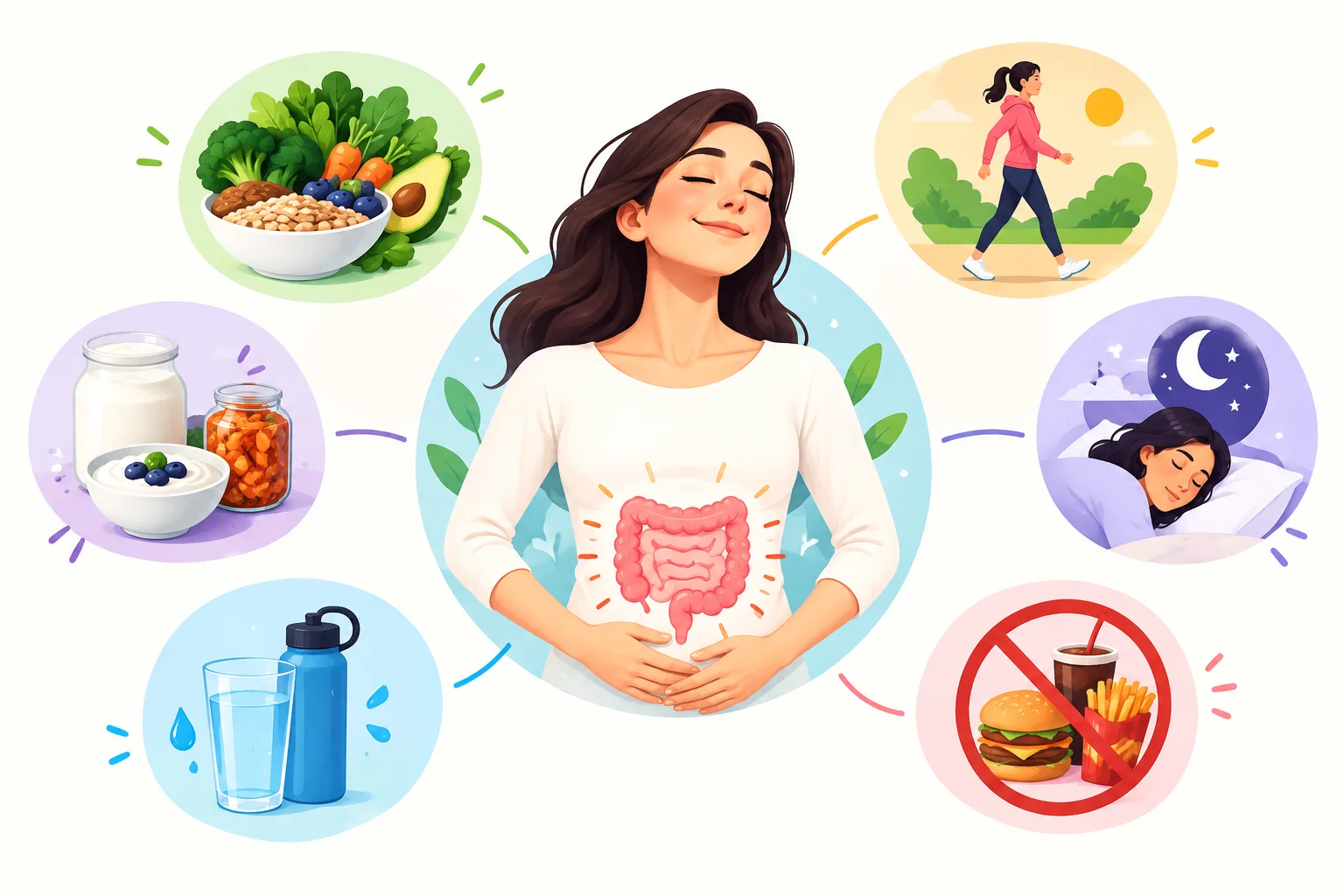
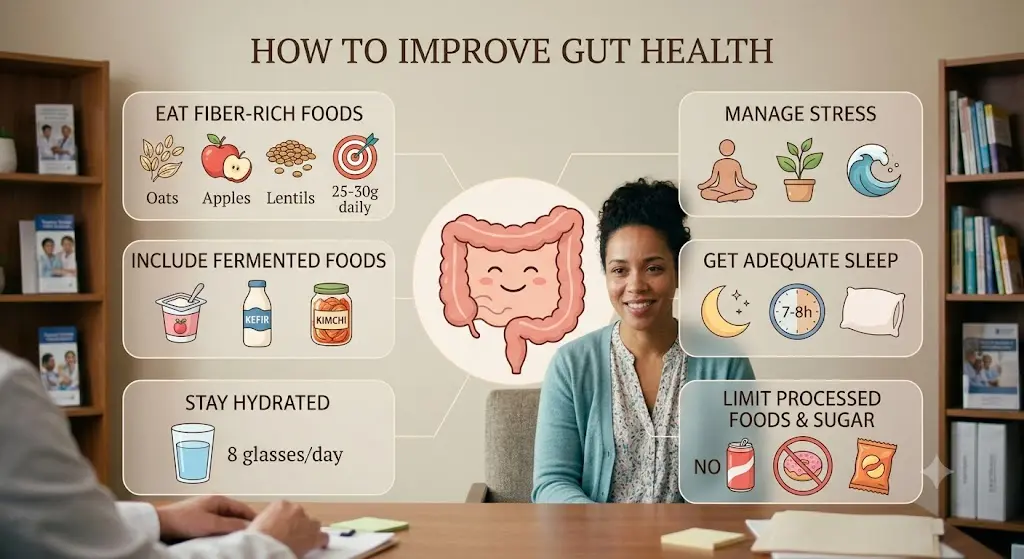
A healthy gut maintains a balance of thousands of different bacteria which do not act in opposition. At any one time, there are 1000 to 7000 different species of bacteria in your body and the number of helpful and harmful strains determines how well you digest and absorb nutrients and fight illness. Question yourself on how to have a healthy gut? Begin with feeding the good bacteria with food rich in fiber, reducing sugar consumption and providing your digestive system with regular sleep and exercise. Every day decisions add up to a strong stomach.
Understanding Your Gut Microbiome
The bacteria that make up the human gut include two groups namely; Bacteroidetes (constituting around 73%) and Firmicutes (constituting around 22%). The composition of bacteria varies each day and is influenced by what we eat, how much sleep we get and the level of physical activity we engage in. To understand how to improve gut microbiome, one must realize that the variety is as important as the balance: a gut that houses hundreds of species is much more adaptable to stress, anti-inflammatory and is much more efficient in digesting a greater variety of food than a gut dominated by a handful of strains.
The Ultimate Healthy Gut Diet: Best Things to Boost Your Gut Health
Your microbiome is influenced more by food choices than by virtually anything in your life. Scientists are observing alterations in gut microbes that can be measured in 24 to 48 hours of a significant diet change, indicating that your next meal actually does count. To create a healthy gut diet, you do not have to spend a pile of money on supplements but rather make regular and intelligent decisions about what goes on your food table. The next best things for gut health consists of feeding your existing good bacteria and adding new beneficial strains.
Best Things for Gut Health: Probiotics vs. Prebiotics
Probiotics and prebiotics do not replace one another but are complementary to each other. Probiotics (think yogurt, kefir, kimchi and sauerkraut) and prebiotics (found in foods such as garlic, onions, and bananas) are delivered directly to your digestive system and respectively, they provide both the fiber on which other bacteria that already reside there live and the actual bacteria. How to improve gut health naturally? By making a combination of the best things to stay healthy and incorporating them into your weekly meals, you will have a feedback loop: the prebiotics will help to maintain your already existing bacteria alive and active, and the probiotics will provide you with a constant supply of new troops to your gut.
High-Fiber Superfoods to Boost Gut Health
Fiber is the only tool that has not been utilized fully in the average diet to boost gut health. Most people’s guts tend to be inadequately fed because about 5% of American adults can take in the right daily requirement of fibers, 25 grams for women and 38 grams for men. Food rich in fiber such as lentils, chia seeds, oats, broccoli and raspberries have several grams of fiber in each serving, which enhances the health of one’s gut by providing food to bacteria that produce short-chain fatty acids.
Foods to Avoid to Restore Gut Health Fast
Some foods actively fight with your gut, in spite of the number of probiotics that you introduce to your diet. The results of cutting them out can be noticeable within a few weeks (one to two) as the gut lining regenerates its cells after about five to seven days. Learning how to restore gut health in the shortest time possible requires finding out which common foods are silent saboteurs of your healing process.
The Worst Offenders: Refined Sugar and Processed Oils
Refined sugar nourishes the bad bacteria and yeast and starves the good ones which maintain the lining of your gut healthy. High consumption of sugar is associated with low diversity of microflora and increased permeability of the intestines, referred to as leaky gut syndrome. The presence of high amounts of omega-6 fatty acids in the processed vegetable oils exacerbates the effect, creating chronic inflammation in the gastrointestinal tract. Substitution of soda and pre-packaged snacks with unprocessed foods removes two major obstacles standing in your way towards a good microbiome
How to Heal Your Gut by Eliminating Inflammatory Triggers
All of these things mentioned such as artificial sweeteners, snacks and alcoholism all disturb your good gut bacteria balance. According to the research, there are certain types of artificial sweeteners that can affect the balance of gut bacteria within just two weeks of using it regularly. How to heal your gut health and find out which type of food makes you bloated and tired, just start eliminating these products from your diet gradually and not suddenly.
Beyond Food: Simple Daily Dietary Habits for Gut Restoration
Eating will not help a poor gut when your daily routines are against you. At Daily Care Insights, we always witness clients inadequately estimating the impact of sleep, stress and hydration on digestive wellbeing in addition to food preferences. The construction of sustainable practices around your food increases each dietary modification.
Mindful Eating & Hydration Rules
Slow eating allows your digestive system time to indicate when you are full, and adequately break down food before it gets into your gut. Eating a bite well chewed puts half the burden on your stomach and bowel of the food and drinking half your body weight of water in ounces of water each day keeps the food flowing through your system. Missing out on hydration transforms an otherwise healthy high-fiber meal into a bloating and constipation meal.
Can Intermittent Fasting Help Restore Gut Health?
Intermittent fasting allows your digestive system to have long rest periods which certain studies suggest is associated with better gut barrier function and provides diversity to the microbes. An overnight fast (lasting 16 hours) enables the migrating motor complex the cleaning wave that is built into your gut to sweep any remnants of food and bacteria along your bowels. With that said, fasting is not a substitute but an addition to a nutrient-rich dietary regimen, it should be combined with whole foods, not an excuse to eat poorly the rest of your eating hours.
Conclusion
The well-being of your gut depends on the choices you make daily; whether it is fiber in your meals or the amount of sleep you get during the night. Paying attention to eating whole foods, cutting back on processed sugar, getting enough fluids in your body, and giving your microbiome some rest can be helpful in restoring a strong microbiome. Team of Daily Care Insights is certain that small changes work better than huge changes and you should make one change every week and let your gut do the rest.
Frequently Asked Questions
What is the time needed to regain healthy gut?
The period of one to two weeks of changing eating habits brings initial benefits for most people, while complete transition of the microbiome takes between three to six months. However, the process of stabilization can be considerably shortened by following the advice to consume more fiber and limit consumption of processed sugars.
What are the cheapest gut-friendly foods to include in your diet?
In every grocery shop, you may find such cheap gut-friendly products as oats, bananas, lentils and plain yogurt. Fiber and probiotics are contained in these products and there is no need to spend money on expensive supplements.
Does stress really affect gut health?
Indeed, the gut-brain axis implies that chronic stress directly changes the gut bacteria composition and slows digestion. Sleep, exercise or relaxation can be used to manage stress which can frequently lead to an improvement in the digestive symptoms as much as changes in diet can.
What do you do to heal your gut after taking antibiotics?
Antibiotics destroy all types of bacteria both bad and good and to restore your gut. You need probiotic food such as yogurt and kefir and prebiotic fiber in vegetables and whole grains. Allowing your microbiome four to eight weeks to repair is a good way to restore balance on its own.
Does a healthy gut diet suit everybody?
No, individual microbiomes react differently to the same foods due to genetics, current diversity of bacteria and other lifestyle conditions. Making your own diet track of what you are eating is a way of finding out which of the foods you are eating is the best food to eat given your body condition.