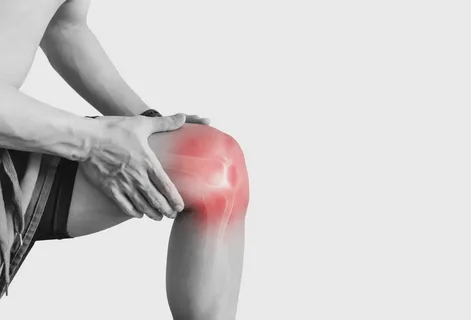
It is not only an aging issue anymore, people are getting up in the morning with stiff knees, sore hips or sore fingers, and millions of people are doing it. Joint health influences the way you move, work and enjoy your daily life at all ages and the small daily habits can change a lot more than most people would think.
The good news? You do not need to operate or take strong medication to take care of your joints. Proper combination of activity, nutrition, and care can slow the destruction and relieve the pain naturally.
What Is Joint Health?
Joint health is the degree of how your cartilage, fluid and connective tissue in your joints perform to enable smooth pain-free movement. Normal functioning joints assist in shock absorption, reduction of the friction of bones against one another and maintenance of flexibility of body movements.
As cartilage tissue degenerates, usually because of aging process, joint inflammation and pain appear. That is why, joint and bone health go hand in hand, as the strong bone structure holds the joint together and good cartilage prevents friction.Our guide on how to improve bone density naturally covers the bone side of this equation in more depth.
There are over 200 joints in your body and each is supported by a very thin layer of cartilage and synovial fluid to keep the bones off each other. This cushioning is naturally lost over time – but the rate at which this occurs is very dependent on lifestyle, weight, and activity level, and not entirely on age.
Common Causes of Joint Pain
It is always good to have an idea of what is actually causing the pain in the joint before making any attempts to fix it. The most prevalent triggers are:
Osteoarthritis – progressive or gradual destruction of cartilage due to wear and tear, which starts to be more prevalent after 40 years.
Inflammatory conditions – inflammatory conditions, including rheumatoid arthritis, whereby the immune system destroys tissue around joints.
Repetitive strain – typical of occupations or strenuous sports.
Overweight – each additional kilogram is multiplied loading of weight-bearing joints such as knees.
Poor posture – lengthy sitting or standing in an inappropriate manner places undue pressure on certain joints.
Old injuries – untreated sprains or fractures reoccur many years later as joint pain.
Figuring out what the real problem is can be the key to deciding whether modification of diet, supplements or visit to a doctor is the correct course of action.
Best Supplements for Joint Pain
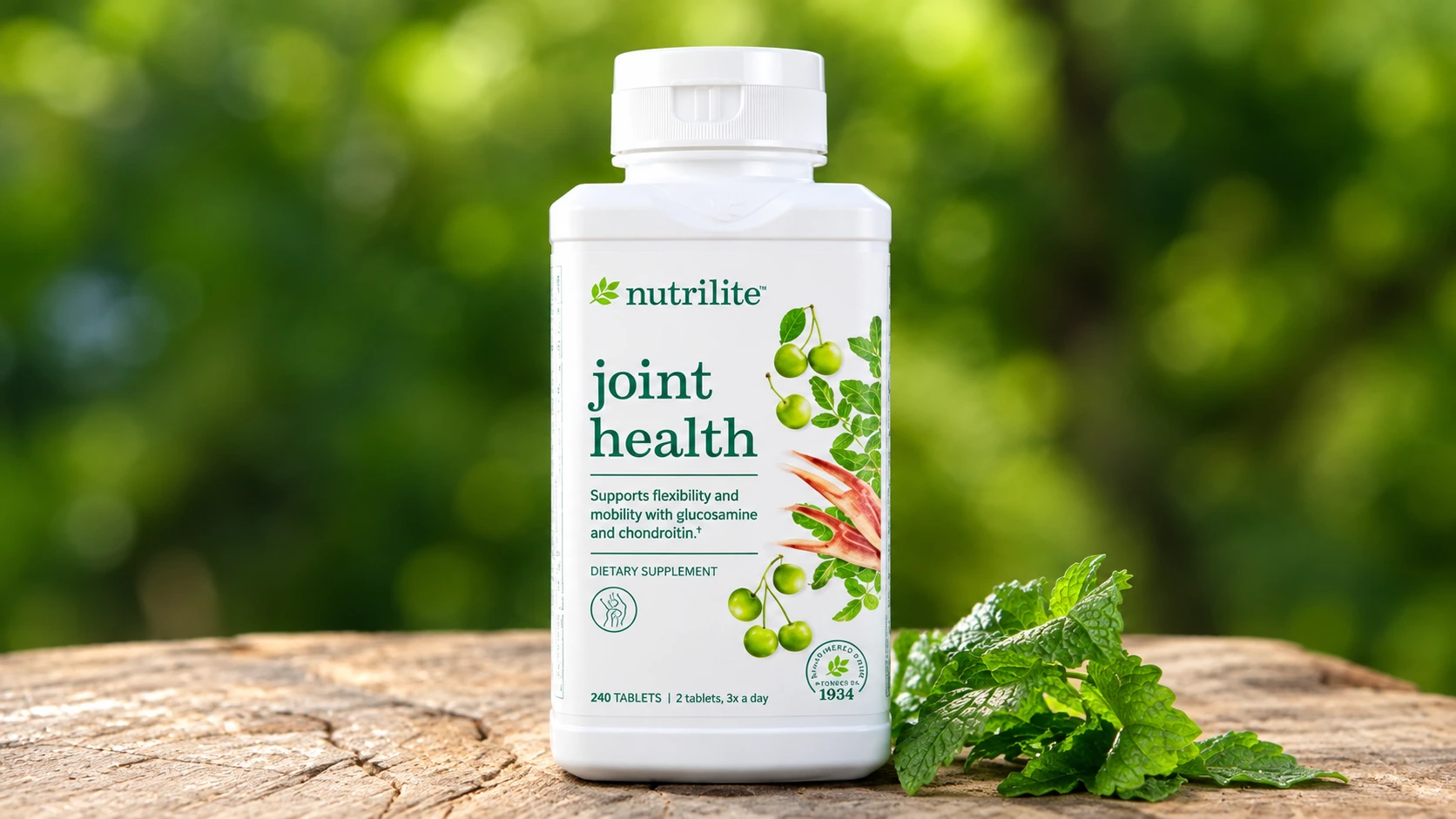
When diet is not doing the trick, specific supplements might be used to restore what is lost during the everyday activities. The following are some of the best supplements to joint pain:
Glucosamine & Chondroitin – helps to repair cartilage and can decrease stiffness with time.
Omega-3 Fish Oil – reduces inflammation, which causes joint inflammation.
Curcumin (turmeric) is a natural anti-inflammatory that has been used since ancient times.
Collagen Peptides – supplies cartilage and connective tissue material.
Vitamin D + Calcium – is important in the health of the bones and joints particularly in minimizing the risk of fractures.
It is important to consult a doctor before taking a new supplement, particularly when you are taking other medication. Supplements typically require 4-8 weeks of regular use before they can be felt to have an effect, and therefore short trials are not a great way to see the benefits of supplements.
Foods That Help Joint Pain
Nutrition contributes more to the support of the joints than I think. Some of the foods that assist in joint pain are beneficial in reducing inflammation in the source:
- Fatty fish (salmon, mackerel) – high in omega-3s.
- Leafy greens (spinach, kale) – full of antioxidants.
- Berries — lower the levels of inflammatory markers.
- Nuts and seeds – healthy fats can help make the joints greasy.
- Olive oil – has compounds like anti-inflammatory drugs.
However, on the other side, processed sugar, fried foods, and alcohol excess are likely to exacerbate inflammation of the joints. One of the most researched dietary strategies to help alleviate chronic joint pain is an anti-inflammatory diet, which is comparable to the Mediterranean diet in that it involves a combination of multiple of these foods instead of a single “superfood” diet.
Joint Support Through Daily Habits
In addition to food and supplements, the actual support of the joints is through the way you treat your body on a daily basis. The way you sit, choice of shoes, and even the way you sit at a desk, all influence pressure on joints in the long term. Even minor adjustments such as sitting in ergonomic chairs, wearing supportive shoes, and not sitting in the same position all day help eliminate unnecessary stress on knees, hips and the spine.
Another type of joint support that is not given much attention is strength training. Strengthening muscle around a joint (e.g. the quadriceps in the case of knees or the core in the case of the lower back) serves as a natural brace, which means that the joint itself does not have to carry as much weight in its daily functioning.
How to Improve Joint Health Daily
Feeling lost on how to enhance joint health without an overhaul of lifestyle? Begin with these practices:
- Exercise everyday– low intensity exercise such as yoga, swimming, or walking lubricates joints.
- Eat well – each additional pound places a strain on the knees and hips.
- Stretch on a daily basis – increases flexibility and decreases stiffness.
- Keep hydrated – cartilage in the joints is mostly composed of water.
- Make sleep a priority – the body rejuvenates when we rest.
- Warm-up prior to activity – cold joints are more susceptible to strain and injury.
- Do not smoke – it lowers the blood supply to cartilage and decreases the speed of healing.
Inflammation is often the common thread behind both joint and heart issues, so readers managing chronic conditions may also find our heart health guide useful alongside these joint pain relief habits.
FAQs
Is natural reversibility possible of joint damage?
Diet, supplements and movement can greatly decrease pain and stiffness, not entirely, but still substantially.
Can we safely take joint supplements over the long term?
Yes, usually, but first consult with your doctor for any health issues or for taking blood thinners.
Which is the quickest way of joint pain treatment at home?
The quickest way is the combination of heating and cooling joints with some stretches.
When must I begin to be concerned about joint health?
Ideally your 30s – cartilage thins sooner than most would anticipate.
Is exercise helpful or harmful to joint pain?
Low impact exercise is always useful, as it builds the muscles which support joint structure, and wrong high impact exercise may cause joint pain.
Conclusion
Good joint health is not a magic nutrient, but the everyday mix of the correct foods, specific supplements, intelligent exercising, and regular joint support practices. It is true that regardless of whether it is the early stiffness or long-term bone and joint health, a little change now can translate into pain free movement now to years to come. Select one habit out of this guide, and remain consistent, and consult with a doctor before adding any other supplement into your routine.