In fact, almost 86% of all dermatology patients are interested in non-invasive treatments before surgery is even an option and it is this one figure that makes medical aesthetics one of the fastest growing sectors in healthcare today. Individuals don’t want drastic, dangerous changes. They want safe, supervised, science-proven enhancements that can be accomplished during a normal weekend, not a six-week recovery.
What then is aesthetic medicine? In simple terms, this is the practice of medicine which uses clinical and non-surgical techniques such as Botox, fillers, laser and peels, among others, guided by qualified medical professionals to enhance one’s physical looks. Unlike cosmetic surgery which involves major transformations, aesthetic medicine uses minor, natural enhancements. Daily Care Insights’ guide covers all that and more: the treatments available, how they work, who they’re for and where the industry is going next.
Medical Aesthetics — Meaning and Scope
What Is Medical Aesthetics?
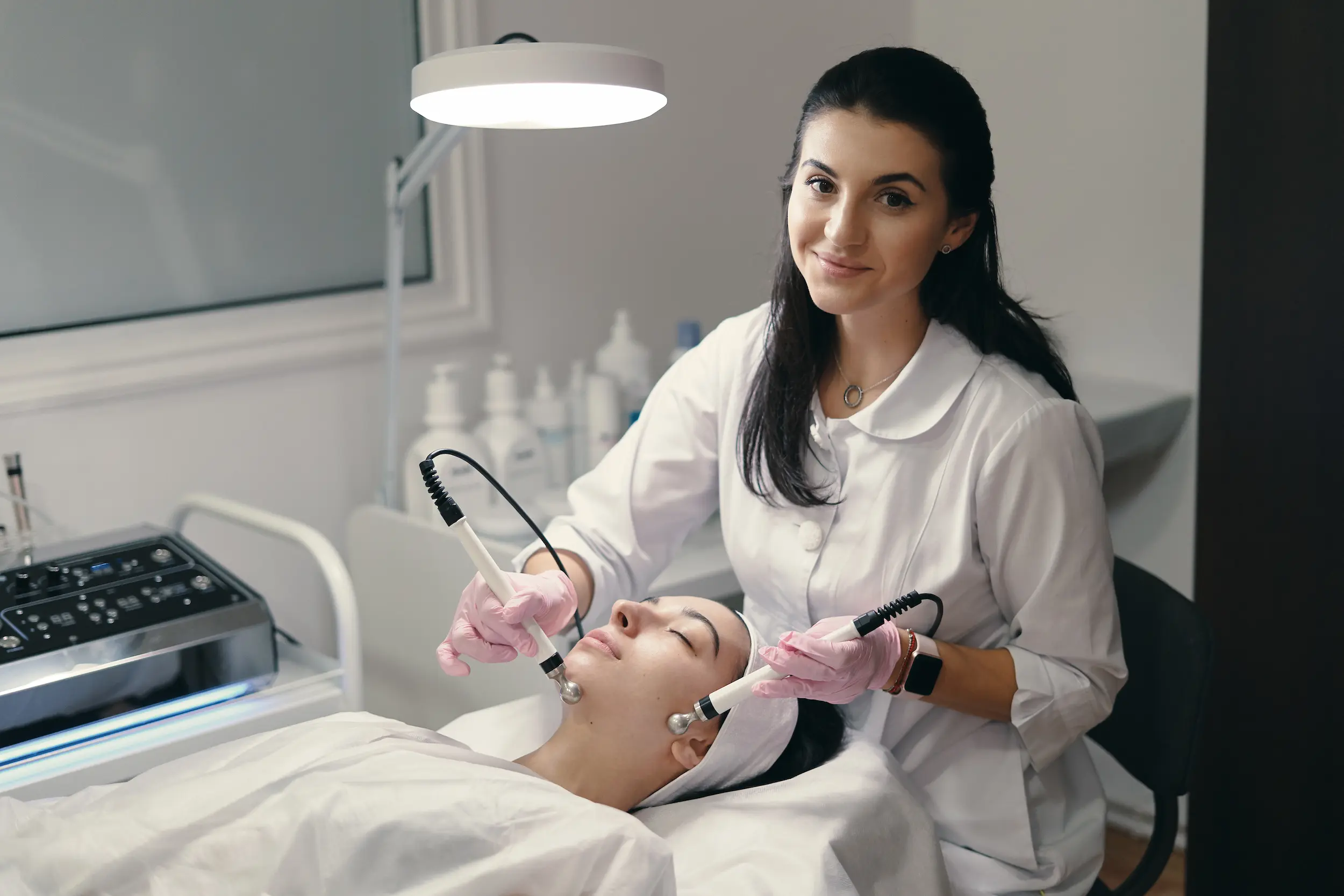
To put it simply, medical aesthetics is about the combination of clinical skills and cosmetic desire. It encompasses a variety of treatments, including cosmetic and non-surgical procedures that enhance the look of the skin, the face and the body that do not require a scalpel or general anesthesia. It’s a stark contrast to the beauty treatments you might get in a spa, as every procedure is performed under medical supervision.Before making any recommendations, a licensed physician, nurse practitioner or trained aesthetician evaluates your skin, your objectives and your medical history.
How It Differs from Cosmetic Surgery
Cosmetic surgery involves reconstruction by cutting into the body and using general anesthesia and recovery can last weeks. Aesthetic medicine is more of a subtle approach. Most sessions take between 15-45 minutes, patients come to work the same day and the changes seem slow in comparison to sudden changes. A clear indicator of this trend in patient preference is that, according to the American Society of Plastic Surgeons, minimally invasive procedures now outnumber surgical procedures by about 8 to 1 in the United States.
Why People Choose Medical Aesthetics
Improve Appearance Safely
Most decisions that are made in this field are always based on safety. All the providers who are reliable, conduct a thorough skin assessment, verify allergies and medications and adjust doses according to the individual. The outcome is natural and not artificial because the aim of medical aesthetics is enhancement and not transformation. Patients retain all their facial expressions and features; they just look rested.
Less Pain, Minimal Downtime
Most injections and laser treatments do not cause much pain, and may be likened to a quick pinch. The truth is in the recovery times: Botox patients can return to their normal lives within a few hours while those who undergo laser resurfacing can return to their normal lives within 2 to 5 days after the procedure during which time the patient’s redness will subside. Surgical face lifts leave the patient with downtime of two to four weeks, whereas this procedure has much less downtime.
Suitable for Many Age Groups
Younger people are booking their botox for “anti-aging” treatments to prevent their skin from forming wrinkles, and older people are seeking fillers and laser treatments to restore volume and texture to their skin. Clinics now report that the average age of the first aesthetic patient has decreased to the late twenties and that this is not just an anti-aging category anymore it is a maintenance category.
Common Medical Aesthetics Treatments
Non-Surgical Aesthetic Treatments
Go to any modern clinic these days and you’ll find most of their menu geared towards many non-surgical aesthetic treatments. The table below includes the most common types of aesthetic procedures patients want and what they are.
| Treatment | Description | Main Benefits |
|---|---|---|
| Botox | Relaxes targeted facial muscles to soften wrinkles. | Minimal downtime; results in 3-7 days. |
| Dermal Fillers | Restores volume in lips, cheeks, and under eyes. | Instant, natural-looking contours. |
| PRP Therapy | Uses your own plasma to trigger skin and hair renewal. | Boosts collagen with zero synthetic additives. |
| Laser Skin Treatments | Targets pigmentation, texture, and fine lines. | Even tone and smoother skin within weeks. |
| Chemical Peels | Exfoliates damaged outer skin layers. | Brighter, more radiant complexion. |
Explain How These Work
- The reason Botox helps prevent wrinkles is that it blocks nerve signals to reach the muscles thereby causing the skin over the muscles not to form wrinkles.
- Fillers are used to introduce hyaluronic acid or other gels into the skin in order to “restore” the volume that has been lost.
- PRP is an injectable therapy that enables regeneration of growth factors from your own blood and these growth factors are re-injected for regrowth purposes.
- The laser breaks down the pigments and stimulates new collagen production.
- Peels break down the layer of dead skin cells to expose fresh and healthy skin.
How Medical Aesthetics Works
The Consultation Process
All treatment plans begin with an individual consultation. Your provider will take a detailed look at your skin, ask you about your goals and review medical history to look for contraindications. They then create an individualised plan instead of a one-size-fits-all solution as skin type, age and lifestyle all dictate the best approach.
Safety and Medical Oversight
Patients are carefully protected by medical supervision. The trained clinicians adhere to stringent sterilisations and are alert to allergic reactions in real time and use FDA approved or regionally certified products. But this is the very reason that medical aesthetics have much fewer complications than unregulated cosmetic services.
What to Expect Before and After
Clinics typically recommend a week of avoiding sun exposure and blood thinners before treatment. Following treatment, there may be a slight redness or swelling that may last for one day or two days but that will pass quickly. With the use of an injectable, the results are often visible within 3 to 14 days whereas the laser and peel results are gradually improving over weeks as new skin cells emerge.
Who Should Consider Medical Aesthetics
Ideal Candidates
People who suffer from these sorts of visible problems, like fine lines, skin pigmentation, thin lips, or early sagging will see the most results.Ideal candidates also look for little downtime and would like to see their changes to be carried out in a gradual, controlled fashion rather than one dramatic surgical change.
When It’s Not Recommended
Patients with certain autoimmune disorders, with skin infections or while pregnant or breastfeeding are generally advised to avoid certain treatments or wait to receive treatment. That’s why there is a risk if you do it yourself or if someone is not qualified to do it.That’s why there’s a risk if you do it yourself or if somebody’s not qualified to do it.
Career and Future in Aesthetic Medicine
Growth of Aesthetic Medicine
The demand for aesthetic medicine continues to rise throughout the world. Market analysts believe that the medical aesthetics sector will reach more than $23 billion in 2027 due to an increase in disposable income, social media exposure and a newfound attitude toward preventative skin care over reactive treatments.
Career Paths in Medical Aesthetics
Specialized non surgical aesthetic medicine training is something that nurses, physician assistants and dermatologists are increasingly pursuing with a view to enhancing their practice with certifications in Botox, fillers and lasers. Injector training is one of the most demanding certification programs in outpatient medicine today and is in greater demand at clinics.
SEO Placement Guide
| Keyword | Where It’s Used |
|---|---|
| Medical aesthetics | Title, intro, H2 subheads |
| What is medical aesthetics | Early in intro + first subhead |
| Aesthetic medicine | Throughout body text |
| Medical aesthetics treatments | H2 + Table |
| Types of aesthetic procedures | In table + Common Treatments section |
| Non-surgical aesthetic treatments | In H2 and benefit sections |
Frequently Asked Questions
What is cosmetic aesthetics and medical aesthetics?
Medical aesthetics treatments are about altering the appearance through non-surgical interventions; minimally invasive procedures like injections and lasers whereas cosmetic surgery pertains to the alteration of the structure using a cut.
Will it hurt?
On rare occasions, a patient may have a sensation that is either a “pinch” or “light pressure.” In cases of sensitive areas, topical anesthetic cream can help relieve the discomfort even further.
What is the duration of results?
Botox has a lifespan of 3 to 4 months, depending on the filler chosen, the results will last from 6 to 18 months and laser or peel can last for a year or more after application provided that proper skincare is maintained.
Is it safe?
Yes, a licensed and trained provider administering the procedure with approved products and screening the patient appropriately will keep complication rates very low.
Conclusion
Medical aesthetics is not just a fad in the healthcare industry but a fundamental part of it. It provides safe and effective appearance, confidence and youthful skin options without the risks or recovery time of traditional surgery. Whether it’s daily services such as Botox, dermal fillers, chemical peels, laser therapies and more, this area provides nearly everyone with a realistic option that can help them look and feel their best.
Once you get a better understanding of medical aesthetics, treatments that exist, and the importance of medical supervision, you can then confidently and wisely choose the right procedure for your aesthetic needs. Whether it’s anti-aging treatments, skin rejuvenation, or hair restoration, aesthetic medicine combines science, safety, and beauty for truly effective and long-lasting results.