Step into any contemporary skin clinic today and you’ll find one thing that stands out: laser aesthetics has subtly become the core of contemporary skin care. From difficult pigmentation to unwanted hair, there are light-based devices now available that do it without any scalpel. These laser and energy-based treatments harness the body’s own healing mechanisms to slow hair regrowth, fade scars and stimulate the growth of new skin as patients leave the clinic on the same day.
The reality is told here by the numbers in the industry. According to the analysts, the global laser aesthetics market is likely to reach approximately $1.7 billion in 2023 and will exceed $4 billion by 2032, exhibiting an annual growth rate of more than 10%. Laser hair removal makes up a massive percentage of that demand and millions of sessions are carried out throughout the world annually. Daily Care Insights compiled this guide to help you navigate all of the major laser treatments who they are best for and what it entails to get through the treatment and recovery.
Understanding Laser Aesthetics
What Are Laser and Energy-Based Treatments?
Laser and energy-based treatments use a precise beam of light or radio frequency energy to penetrate only certain layers of the skin without causing any cuts in the skin. These devices can be operated only by licensed dermatologists, plastic surgeons or certified laser technicians and all reputable clinics that use them will perform a preliminary skin-type assessment before the first pulse is ever used on a patient.
Safety is the focus of each session. The risk of burns or pigment changes is extremely low when the technician is adequately trained, since providers adjust the wavelength, intensity and duration of the pulses to match the Fitzpatrick skin type of each patient.
How Laser Aesthetics Works
All laser devices function in terms of controlled energy that is absorbed by the skin as heat. When that heat is renewed, it can damage skin cells, kill the roots of the hair or break down scar tissue to allow the body to grow it back out more evenly. Patients generally resume their normal activities in one to five days and most treatments require no other type of aesthetic laser procedures other than a topical numbing cream.
Common Types of Laser Aesthetic Treatments
Laser Skin Treatment
Laser skin treatment is used to resurface the outer layer of skin and improve its tone, texture and sun damage. It’s commonly used by dermatologists to treat post-acne hyper pigmentation, aging skin and melasma. Patients notice brighter, smoother skin within a week and even better as collagen rebuilding takes another month.
Laser Hair Removal
With the advent of the diode laser and Nd: YAG technology, the best laser hair removal treatments now offer a wide range of skin tones. It is focused on the pigment in each hair bulb and after about six to eight treatments, which are about four to six weeks apart, hair growth can be reduced by up to 70-90% in the long term. It’s one of the most repeat bookings they have at their clinics, as when the full course is done, this is really for years to come.
Scar Removal Laser
The scar removal laser technology will help to dissolve the thick scar tissue formed as a result of acne, surgery or stretch marks and will stimulate the production of collagen by the body to replace them. Typically, patients require 3-6 sessions and noticeable results will appear in about a month since the treatment began usually with an improvement in texture and color.
Skin Tightening Laser
Skin tightening laser devices treat the deeper layer of the skin to activate new collagen and elastin and tighten loose skin without undergoing a face lift. Many patients receive this treatment in conjunction with injectable for a fuller, more contoured appearance and a single treatment can maintain the lifted appearance of skin for as long as a year and a half.
Table 1 — Popular Laser Treatments Overview
| Treatment | Purpose | Key Benefit | Typical Recovery Time |
| Laser Skin Treatment | Improve skin tone & texture | Smooth, rejuvenated skin | 2-5 days |
| Laser Hair Removal | Permanent hair reduction | Long-lasting smoothness | 1-2 days |
| Scar Removal Laser | Reduce scars | Clearer skin appearance | 3-7 days |
| Skin Tightening Laser | Stimulate collagen | Firmer, youthful skin | 1-3 days |
Benefits of Laser Aesthetics
Skin Rejuvenation & Youthful Appearance
When it comes to aesthetic laser procedures, patients consistently report that the treatments leave them with firmer texture, an even-toned appearance and a reduction in fine lines, which are all noticeable. Independent clinical surveys reveal a satisfaction rate greater than 85% of patients after a complete course of treatment, comparable to many surgical options.
Non-Surgical & Minimally Invasive
Surgery requires weeks of recovery while Non-surgical laser treatments give back hours of life to the patient almost immediately. Most people are back at work the day after and the reduced time off also means fewer days at risk of contracting an infection or complications.
Customized Treatments for All Skin Types
The effect of light energy on the skin varies from person to person. That’s why combination of Laser rejuvenation (such as skin tightening with pigmentation correction, etc.) continue to increase in volume faster than single-treatment bookings, as trained providers customize the wavelength and intensity to better suit each patient’s skin tone, hair color and treatment objective.
Table 2 — Key Benefits of Laser Treatments
| Benefit | Explanation |
| Improved Skin Tone | Even complexion and texture |
| Reduced Hair Growth | Smooth, long-lasting results |
| Scar Reduction | Faded acne or surgical scars |
| Skin Tightening | Firmer, lifted appearance |
| Minimal Downtime | Quick recovery and low risk |
Who Should Consider Laser Aesthetics
There is an aesthetic laser procedure available for everyone regardless of age from teenage acne scars to older adults seeking to reduce skin laxity and effects of sun damage. Appropriate patients should come to the appointment in good health, with realistic expectations, and not take an OTC drug which may lead to photo sensitivity or sun exposure before the appointment.
Some circumstances require special precautions. Patients should always consult their doctor if they are pregnant, have skin infections or are at risk of developing keloids and a good physician will look for these “red flags” during the first consultation.
Procedure Process and Safety Guidelines
Consultation and Assessment
A detailed consultation will set the course for the entire laser journey. The provider reviews a patient’s skin type and discusses the treatment objectives to determine the laser type and the number of Cosmetic laser procedures that will best achieve natural-looking results.
During the Procedure
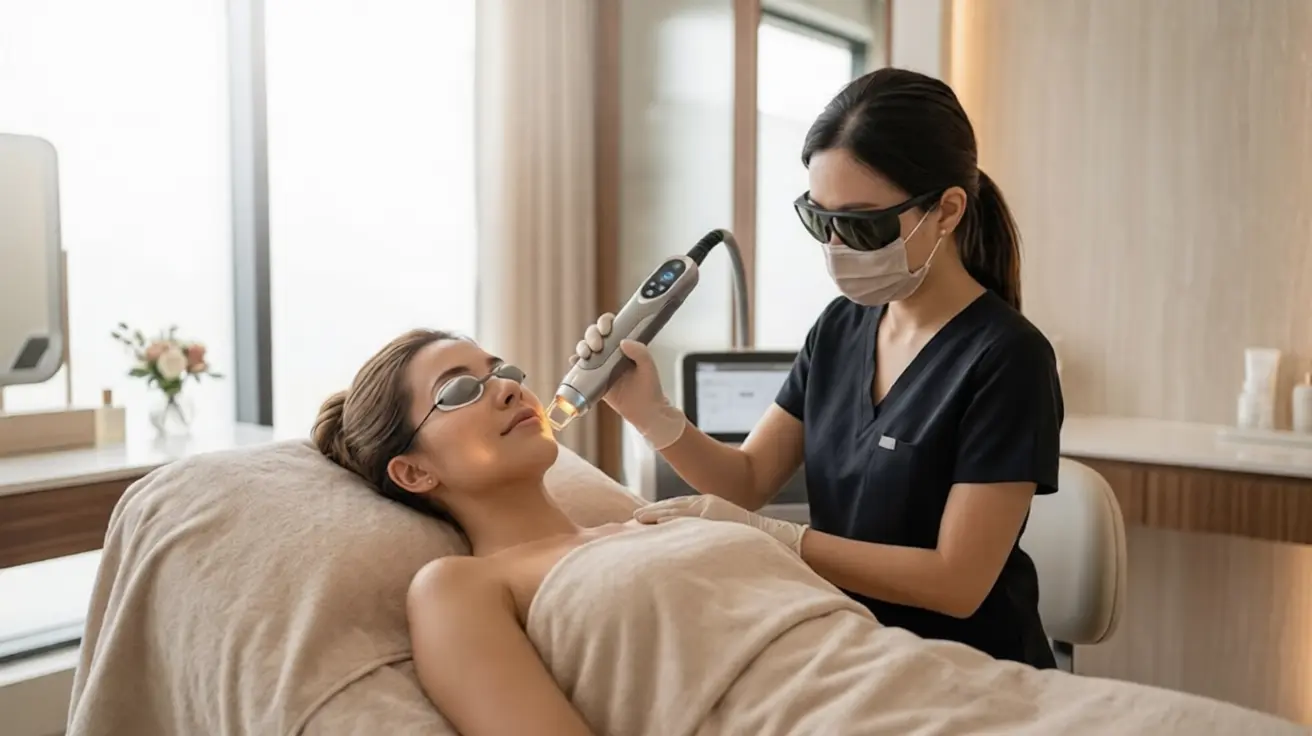
A clean, temperature-controlled area for patients to relax with the provider applying a topical numbing agent or protective eye wear. For most of the sessions, the laser is used to emit controlled pulses over the treatment area and the sessions are completed within 20 to 45 minutes depending on the size of the treatment area.
Aftercare and Results
Every dollar invested in treatment is protected with proper aftercare. Skin sensitivity lasts 24 to 48 hours after treatment and providers advise avoiding hot showers or saunas during that period as well as using strong sun protection and gentle skin care. .
Common Misconceptions About Laser Aesthetics
New patients are expecting serious pain but when paired with a topical numbing cream, the pain is more like a rubber-band snap than anything. Another misconception is that you’ll see immediate results but skin treatments will gradually improve over 2 to 4 weeks as the collagen starts to regenerate and laser hair removal requires multiple sessions for follicles to stop regrowing. Laser treatments do not last forever either though hair reduction can be permanent, pigment and tightening effects will require a touch-up every 1 to 2 years.
Frequently Asked Questions
Difference in laser skin treatment and skin rejuvenation?
Laser skin treatment can address several issues such as pigmentation or texture; skin rejuvenation is a more overarching result a fresher, smoother skin tone that several laser and energy-based treatments can help produce.
Can laser hair removal be used for everyone?
Yes, current diode and Nd: YAG lasers are capable of safely treating a variety of skin tones but it’s very important that the patient check with their provider to ensure they have the correct laser for their skin tone.
What is the duration of laser treatments?
Generally, the effects of laser hair removal can last for several years after completing the full treatment course and the effects of skin tightening and pigmentation will require maintenance treatments every 12 to 18 months.
Do they have any side effects?
Small redness, swelling or brief sensitivity can occur immediately from treatment but usually only for a few days.
Is it possible for laser treatments to be used in place of injectable or fillers?
Not entirely. Combining injections and laser treatments offers patients a comprehensive facial rejuvenation plan with lasers enhanced by their ability to improve skin texture, tone and tightness while providing volume with injections.
Conclusion
Laser aesthetics has revolutionised the way people think about skin and facial enhancement; replacing the scalpel and extended recovery period with concentrated light and immediate results. Every hair removal, every scar correction, addresses a different worry and the best results occur when a professional specialist customises a plan to the exact needs of the skin.
The statistics support the confidence patients have in these treatments: a market that is on track to grow more than tenfold in less than 10 years, patient satisfaction of more than 85% and millions of sessions performed worldwide each year. One thing Daily Care Insights hopes to reinforce is that before booking a provider, every patient reads the details, asks questions and establishes reasonable expectations for the treatment they are about to receive and they always leave happy.