Aesthetic practices have experienced rapid growth over the past decade, becoming an integral part of modern healthcare and wellness. Aesthetic practices encompass both non-invasive skin treatments and minimally invasive cosmetic procedures, with the primary goal of enhancing appearance while maintaining natural results and patient safety.
With increasing demand, patients and professionals alike need to understand the scope of aesthetic practices, their associated safety standards, and the outcomes that can be achieved to ensure effective and responsible results.
What Are Aesthetic Practices?
Aesthetic practices refer to medical and non-medical procedures designed to improve physical appearance, skin health, and overall confidence. These practices fall under the broader field of aesthetic medicine, combining cosmetic science with clinical expertise.
Unlike traditional cosmetic surgery, many aesthetic treatments are non-surgical or minimally invasive, allowing patients to achieve visible improvements with little to no downtime.
Common goals of aesthetic practices include:
- Enhancing facial features
- Improving skin texture and tone
- Reducing signs of aging
- Boosting self-confidence through appearance improvement
Aesthetic Practices Scope
Aesthetic practices have greatly increased because of new technologies and more people accepting them. Areas where aesthetic practices are increased are:
Aesthetics in Medicine
Medical aesthetics involves treatments done by licensed medical experts, like trained doctors or dermatologists. These treatments usually include injections and laser treatments.
Aesthetic Services That Aren’t Medical
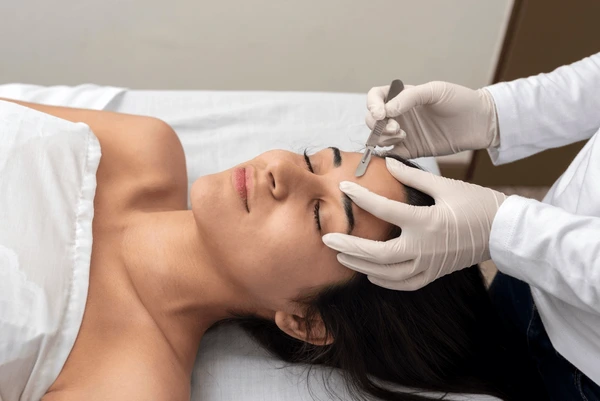
Licensed aestheticians may be able to provide some cosmetic procedures, like facials and basic skin care, as long as they follow the rules.
Career Opportunities
People are learning more about different options through social media and other digital platforms, which is making the demand for cosmetic operations go up. Non-surgical treatments have gotten better, which makes it easier to get cosmetic surgery. Also, shorter recovery durations help people go back to their usual lives faster.
More people are interested in aesthetic treatments because they are getting less expensive. This constant growth has made it simpler for medical professionals, healthcare specialists, and businessmen who wish to open wellness centers or cosmetic clinics to obtain good jobs.
Benefits of Aesthetic Practices
Aesthetic practices deliver more than cosmetic improvement. When performed responsibly, they enhance physical appearance while supporting emotional well-being, which is why they are now considered part of modern personal care.
Improved Skin Quality and Appearance
Aesthetic treatments help improve skin texture, tone, and elasticity by stimulating natural regeneration processes. These procedures contribute to a fresher, more youthful appearance while addressing concerns such as acne scars, pigmentation, and uneven skin tone.
Facial Balance and Minor Corrections
Many aesthetic practices focus on subtle refinements rather than dramatic changes. Correcting minor asymmetries and enhancing natural features helps maintain facial harmony without altering an individual’s identity.
Increased Self-Confidence
Feeling satisfied with one’s appearance often leads to higher self-confidence. Aesthetic improvements can positively influence how individuals present themselves socially and professionally.
Positive Mental Well-Being
When appearance-related concerns are reduced, stress and self-consciousness often decrease as well. This emotional impact makes aesthetic practices relevant not only for beauty but also for overall mental wellness.
Aesthetic practices are no longer seen as luxury treatments. Their balanced physical and psychological benefits have positioned them as a regular part of personal wellness routines.
Safety in Aesthetic Practices
Safety is the cornerstone of every aesthetic procedure. Even minor mistakes can lead to complications, making adherence to proper protocols essential. Patients need to understand that aesthetic treatments are safe when performed by trained professionals, but overlooking safety guidelines can have serious consequences. Clinics and practitioners must prioritize not just results but the overall well-being of the patient, ensuring that treatments are both effective and risk-free.
Importance of Qualified Practitioners
Aesthetic procedures require in-depth knowledge of facial anatomy, skin physiology, and the correct use of medical devices or injectables. Professionals who are certified and trained can predict outcomes accurately and reduce the likelihood of complications. Patients should always verify credentials, experience, and certifications before undergoing any procedure. Choosing a qualified practitioner not only increases safety but also ensures a more natural and satisfactory result.
Continuous Learning and Updated Practices
The field of aesthetic medicine evolves rapidly with new technologies, techniques, and products. Practitioners who invest in ongoing education can provide safer, more advanced treatments. Staying updated with the latest developments ensures patients receive high-quality care and minimizes the risks associated with outdated methods.
Common Risks and Complications
While aesthetic treatments are generally safe, no procedure is entirely risk-free. Understanding these potential complications allows patients to make informed decisions and reduces anxiety about treatments.
Minor Side Effects
Most aesthetic procedures come with mild, temporary side effects. Patients may experience redness, slight swelling, bruising, or mild discomfort following a treatment. These reactions are typically short-lived and resolve without intervention. Awareness of these common effects helps patients plan recovery time and reduces unnecessary worry.
Serious Complications
In rare cases, more significant issues can occur, such as infections, allergic reactions, or unsatisfactory outcomes like asymmetry. Such complications are more likely when procedures are performed by unqualified practitioners or when hygiene and safety protocols are ignored. Choosing a reputable clinic and following pre- and post-treatment instructions drastically lowers these risks.
Safety Guidelines and Best Practices
Ensuring safety in aesthetic practices requires strict adherence to established protocols. Clinics and practitioners must focus on every step, from initial consultation to aftercare.
Patient Assessment and Consultation
Every treatment should begin with a thorough consultation. Understanding a patient’s medical history, allergies, and skin type is crucial for selecting the right procedure. A personalized assessment reduces risks and increases the likelihood of a satisfactory outcome.
Sterile Equipment and Approved Products
Using sterilized tools and only approved medical-grade products is fundamental to preventing infections and complications. Clinics should maintain a hygienic environment and adhere to industry standards for safety.
Post-Treatment Care
Patients receive instructions to care for their skin or treated area after procedures. Proper post-treatment care helps minimize side effects, supports healing, and maintains results over time. Clear guidance from practitioners ensures patients can manage recovery effectively.
Ethical Considerations in Aesthetic Practices
Ethics are as important as technical skill in aesthetic medicine. Practitioners must prioritize patient welfare above financial incentives, ensuring that treatments are appropriate and necessary.
Honest Consultations
A reputable practitioner provides realistic expectations about outcomes. Clear communication about what a procedure can and cannot achieve builds trust and reduces the risk of dissatisfaction.
Avoiding Over-Treatment
Unnecessary procedures can harm the patient physically and emotionally. Ethical practitioners focus on what is truly needed rather than performing multiple treatments to increase revenue.
Respecting Patient Autonomy
Patients should be fully informed and allowed to make decisions about their treatments without pressure. Respecting autonomy ensures that aesthetic procedures are performed with consent and understanding, fostering long-term trust.
Choosing the Right Aesthetic Practice
Selecting the right clinic is critical for both safety and results. Patients should research the clinic’s reputation, check previous case studies, and ensure transparent communication about pricing and procedures. A well-chosen clinic increases the likelihood of positive outcomes and minimizes risks, making the overall experience safe and satisfying.
Future of Aesthetic Practices
The outlook for aesthetic practices is bright, propelled by technological progress and rising public awareness. Non-invasive therapies, AI-enhanced diagnostics, customized skincare options, and regenerative treatments are gaining popularity. With the advancement of the industry, the focus on safety standards, practitioner training, and ethical issues will remain vital, guaranteeing that patients consistently obtain effective and responsible care.
Conclusion
Aesthetic treatments have emerged as an essential component of modern self-care and health wellness. Comprehending their scope, benefits, and safety factors enables patients to make educated choices and inspires practitioners to uphold excellent care standards.
With qualified professionals and ethical practices, aesthetic treatments can provide impactful and natural outcomes.